
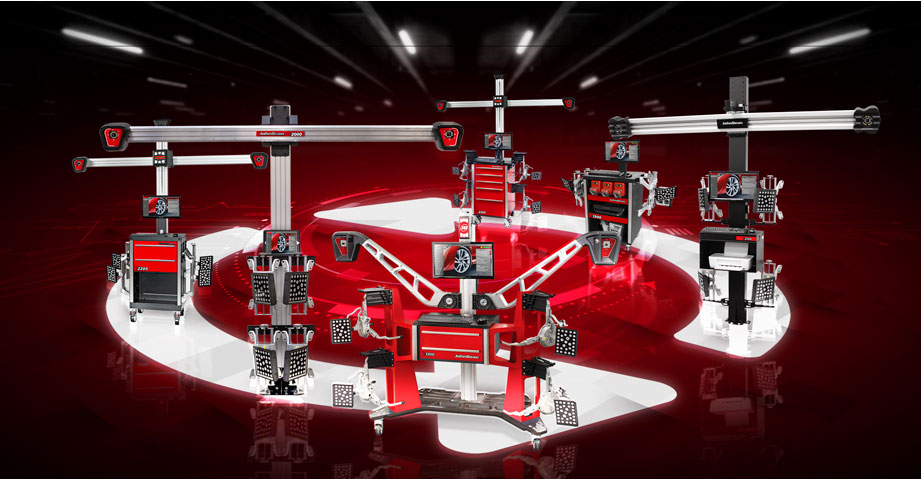
Shop owners face a constant challenge: delivering quality service while maximizing profitability. Every comeback erodes your bottom line, and every inefficiency costs you revenue. Modern wheel alignment machines offer a solution to both problems, transforming how shops operate and compete.
Today’s advanced alignment technology eliminates the guesswork that leads to costly repeat repairs, speeds up service to increase throughput, and positions your shop as a leader in precision automotive care. The investment in quality alignment equipment benefits your business through reduced labor costs, higher customer satisfaction, and new revenue opportunities.
How Modern Wheel Alignment Machines Reduce Comebacks
Enhanced Accuracy and Precision
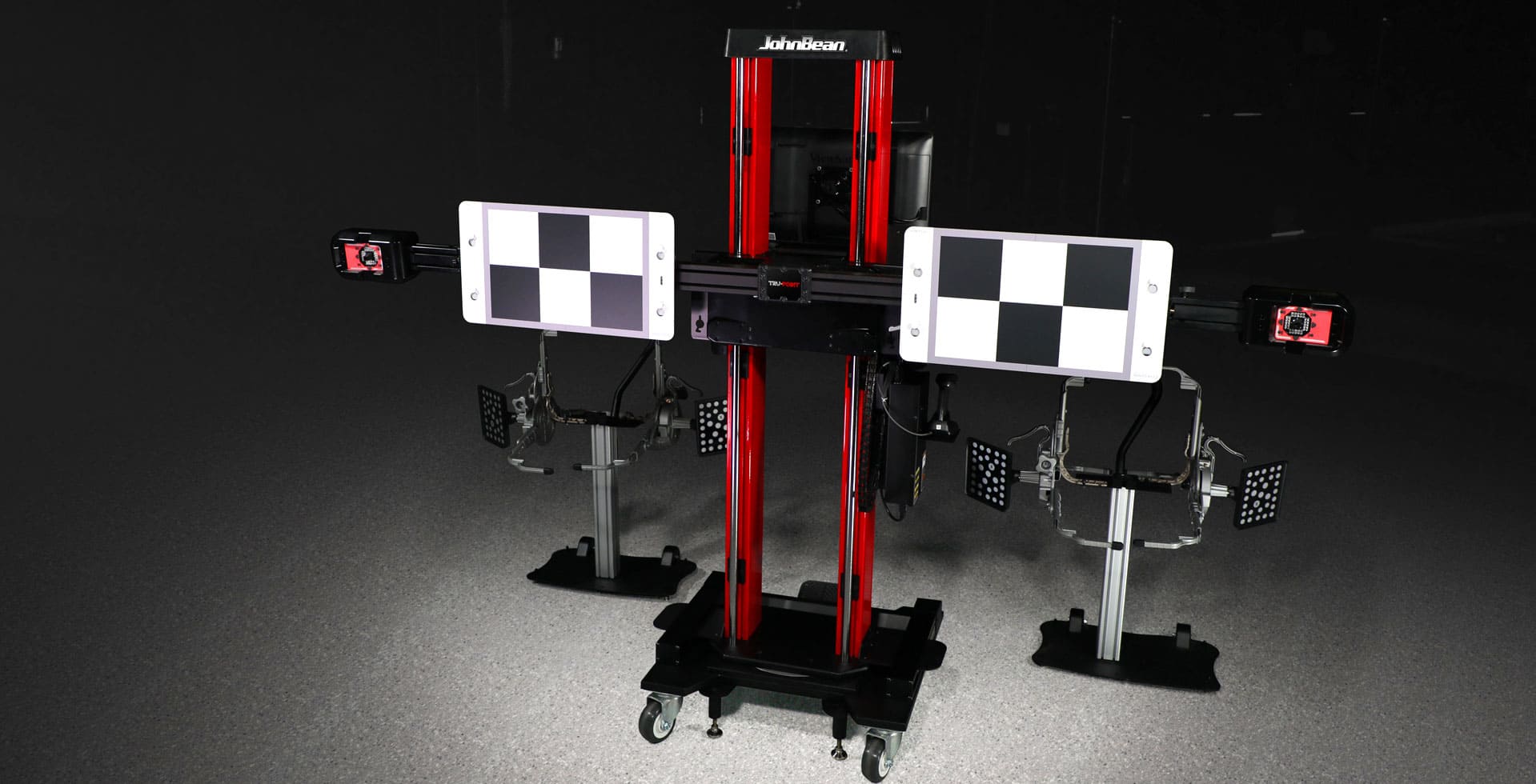
Modern alignment systems use 3D targets and digital sensors to deliver measurements that older systems simply can’t match. This technology eliminates the human error that plagues manual alignment processes, providing consistent, reliable results every time.
The precision matters because even slight misalignments cause problems. Customers notice when their vehicle pulls to one side or their tires wear unevenly. With modern equipment, you measure and adjust to exact specifications, reducing complaints and building trust with every service.
Verification of Adjustments
Advanced alignment machines take precision a step further by re-checking measurements after adjustments. The system confirms that your work meets factory specifications before you release the vehicle. This verification process provides a higher standard of service that customers recognize and value.
This built-in quality control catches errors before they become comebacks. You know with certainty that each alignment meets precise tolerances, giving you confidence in your work and giving customers peace of mind.
Reduced Variables
Modern systems minimize the factors that can compromise alignment accuracy. Features like automatic run-out compensation account for wheel irregularities that could throw off measurements. The technology handles these variations automatically, ensuring consistent results regardless of wheel condition.
By controlling these differences, you reduce the likelihood of misalignments slipping through. Fewer variations mean fewer opportunities for error, which translates directly to fewer dissatisfied customers returning to your shop.
How Modern Wheel Alignment Machines Boost Shop Profitability
Increased Throughput and Revenue
Time is money. Modern alignment machines complete the job faster without sacrificing quality. Quicker setup and faster measurements allow you to service more vehicles each day.
This increased throughput directly impacts your revenue. When you can complete an alignment in 30 minutes instead of an hour, you’ve doubled your capacity. More vehicles serviced means more revenue generated with the same shop space and staff.
Higher Customer Satisfaction
Accurate alignments improve every aspect of vehicle performance. Customers notice better handling, smoother steering, and longer tire life. These tangible benefits create satisfied customers who return for future service and recommend your shop to others.
Word-of-mouth referrals from happy customers are important. Each satisfied customer becomes an advocate for your business, driving new traffic without advertising costs. This organic growth builds a loyal customer base that sustains your shop long-term.
Upselling Opportunities
Modern alignment systems often reveal issues that customers don’t know they have. When you perform a precise alignment, you can identify worn suspension components, damaged steering parts, or other problems that affect vehicle safety and performance.
These discoveries create legitimate opportunities to offer additional services. It’s not just upselling; it’s providing comprehensive care that customers need and value.
Attracting New Customers
Investing in advanced technology positions your shop as a leader in your market. Customers seeking quality service look for shops with modern equipment and expertise. Your investment in precision alignment equipment becomes a marketing advantage.
Today’s informed consumers research shops before choosing where to take their vehicles. When they see you have state-of-the-art equipment, they recognize your commitment to quality. This perception attracts customers who value excellence and are willing to pay for superior service.
Reduced Labor Costs
Modern alignment machines feature user-friendly interfaces that shorten the learning curve for technicians. Intuitive controls and clear displays make training faster and easier, reducing the time needed to bring new staff up to speed.
Automation handles many tasks that previously required manual work, reducing labor time per alignment. This efficiency lowers your overall labor costs while increasing the number of alignments each technician can complete. The result is better productivity without adding staff.
Conclusion
The decision to invest in modern wheel alignment equipment delivers both immediate and lasting benefits. Enhanced accuracy eliminates the costly comebacks that eat into profits while faster service increases your daily capacity. Combined with opportunities for additional services and the ability to attract quality-conscious customers, the return on investment becomes clear.
Your shop’s success depends on delivering consistent quality while operating efficiently. Modern alignment technology gives you both. The precision builds customer trust and loyalty, while the speed and efficiency maximize your revenue potential. In a competitive market, these advantages can define your success.
Ready to upgrade your alignment capabilities? Explore John Bean® wheel alignment machines and discover how the right equipment can transform your shop’s performance and profitability.
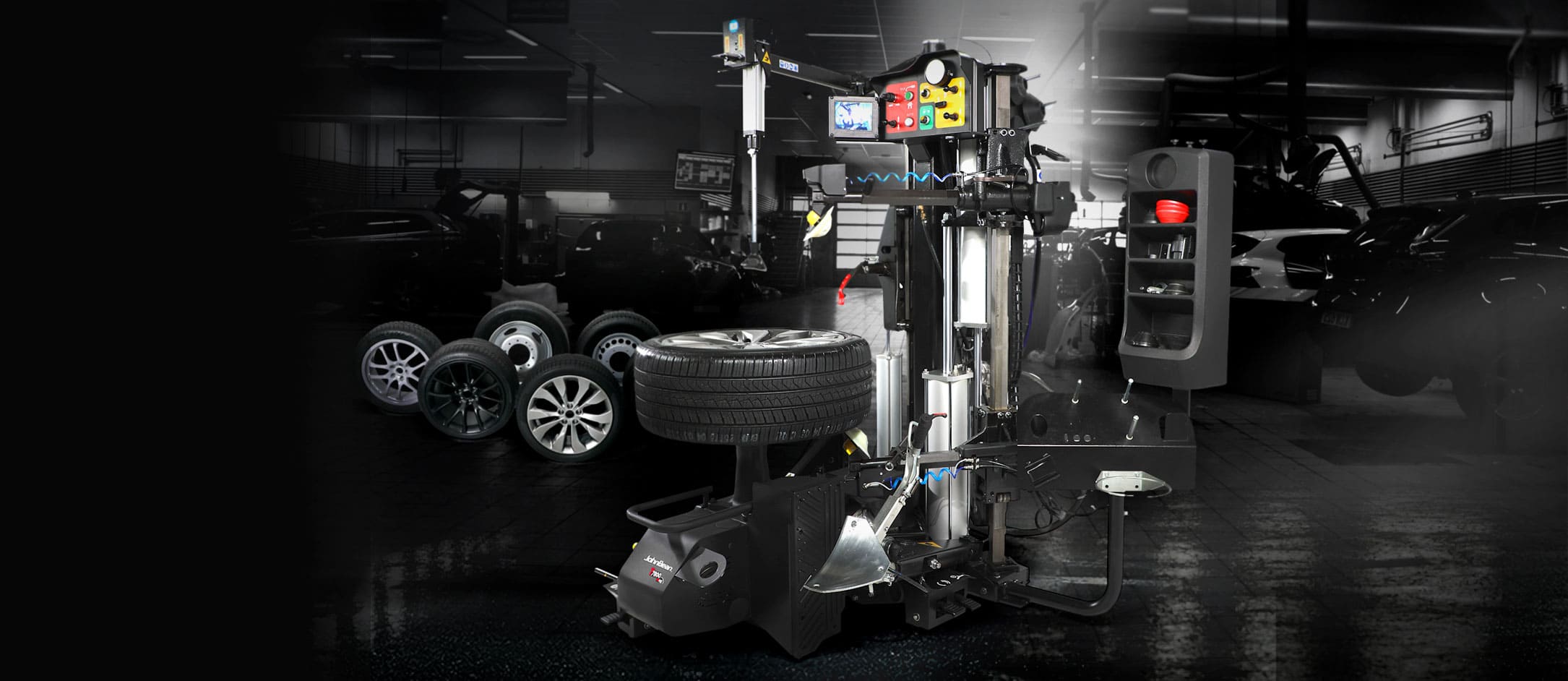 How the Right Tire Changer Increases Shop Efficiency and Customer Throughput
 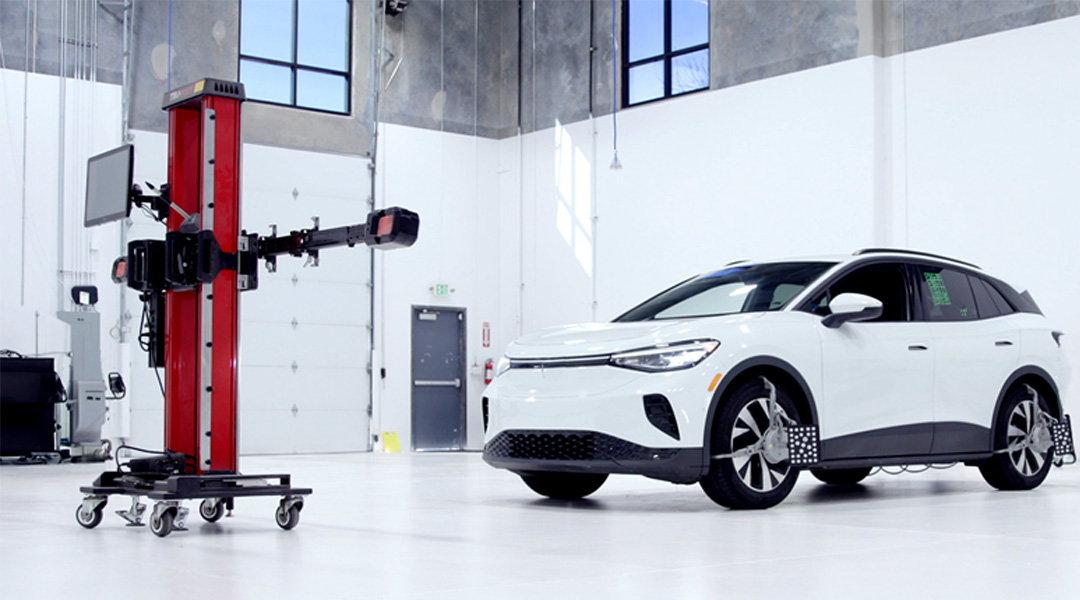 Why Combo ADAS and Alignment Machines Hurt Shop Productivity
 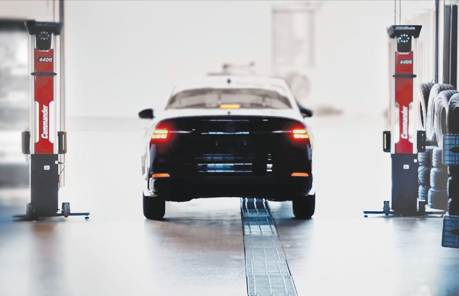 Comparing Traditional vs. Computerized Wheel Alignment Systems (3D & CCD)
  How to Run a Successful Auto Repair Shop
  How to Choose the Best Wheel Alignment Machine for Your Shop
  Balancing the Details: The Role of Proper Tooling and Precise Mounting
  Windshield Camera Calibration: Everything You Need to Know
  8 Critical Factors to Consider Before Choosing Your ADAS Calibration Equipment
  What is Brake Assist?