
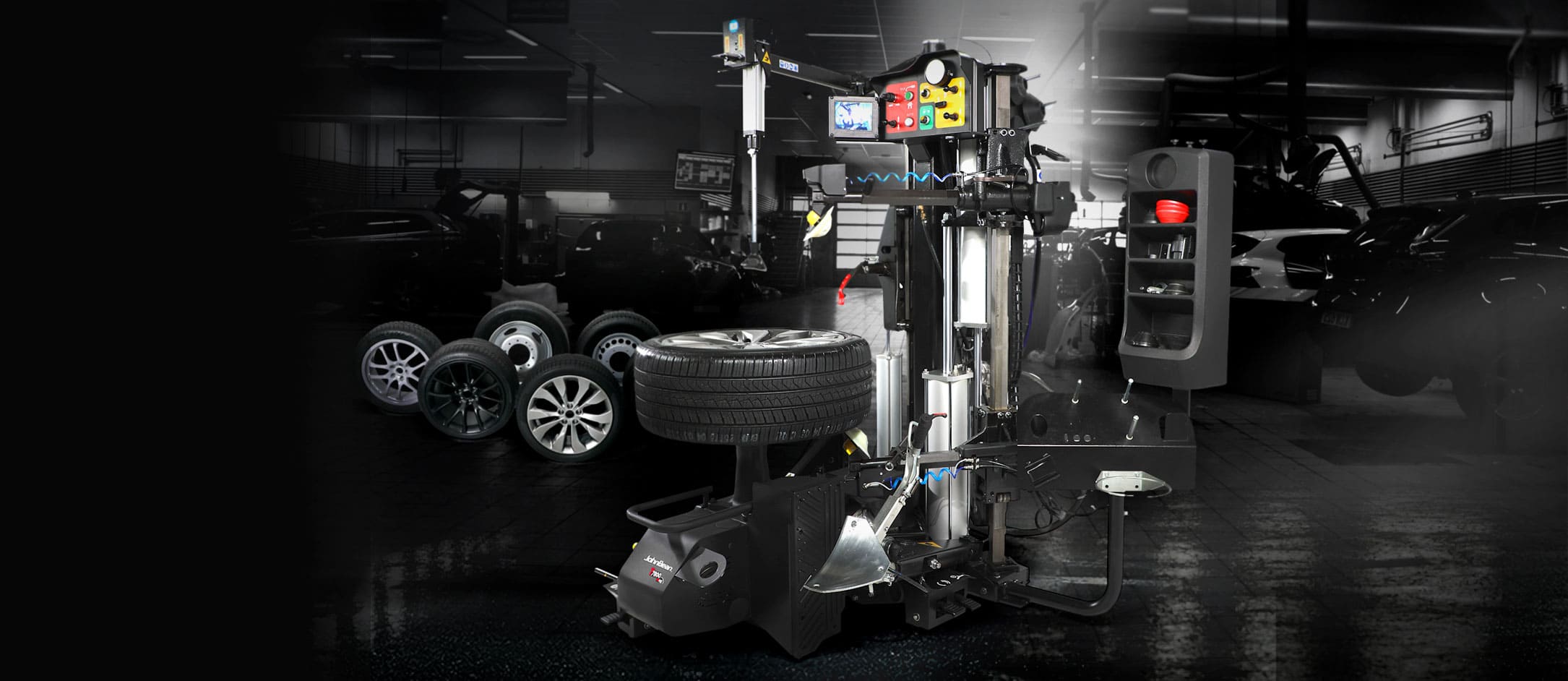
Every minute counts in a busy automotive shop. When customers wait too long for service, satisfaction drops. When technicians struggle with outdated equipment, productivity suffers. The difference between a shop that thrives and one that just survives often comes down to a single piece of equipment: the tire changer.
Modern tire changers do more than mount and dismount tires. They transform workflow efficiency, protect technician health, and directly impact your bottom line.
How Tire Changers Boost Efficiency
The shift from traditional to modern tire changing represents a quantum leap in shop productivity. Modern tire changers deliver efficiency gains across multiple dimensions.
Reduced Cycle Times: Modern features and pneumatic assists cut the physical effort and time required for each tire change. What once took 15 minutes now takes 8. Technicians work faster and maintain consistent performance throughout their shift.
Minimized Physical Strain: Technicians no longer need to manually lift heavy tires or wrestle with stiff sidewalls. This reduces repetitive strain injuries and fatigue, especially critical in high-volume shops where technicians handle dozens of tires daily. Healthier technicians leads to fewer sick days and better long-term retention.
Faster Setup and Operation: User-friendly interfaces, intuitive controls, and programmable settings let operators perform tasks quickly with minimal training. New hires become productive faster. Experienced technicians maximize their efficiency.
Reduced Risk of Damage: Automatic arms and specialized tools safely mount and dismount tires, minimizing the risk of scratches or damage to expensive rims. This protection matters increasingly as high-end wheels become standard even on mid-tier vehicles.
How They Improve Customer Throughput
Efficiency gains translate directly into increased customer throughput. The math is compelling.
More Jobs Per Day: Time savings per tire compound quickly. Save five minutes per tire, and you save 20 minutes per vehicle. Over 25 vehicles, that’s over eight labor hours saved daily. Those hours represent additional revenue opportunities and shorter wait times for customers.
Reduced Customer Wait Times: Faster service means happier customers. When customers see their vehicle serviced promptly, satisfaction increases. Positive experiences drive repeat business and referrals. Your shop becomes known for efficiency, not delays.
Handling Demanding Tires: Advanced models, such as those with leverless or touchless operation, safely handle low-profile, run-flat, or high-performance tires. These tire types are common in luxury and sports cars. Without the right equipment, shops either turn away this profitable work or risk damaging expensive wheels.
Improved Reputation: Shops that consistently deliver fast, reliable service with modern equipment build strong reputations. Word spreads. Online reviews improve. Your shop attracts more customers and fosters loyalty in an increasingly competitive market.
Investing in the Right Tire Changer
Choosing the correct tire changer for your shop’s volume and clientele represents a crucial investment decision. The wrong choice costs money through inefficiency. The right choice pays for itself quickly.
Shops that handle high-volume or premium vehicles benefit significantly from machines with features designed for speed, reliability, and wheel protection. Calculate your current throughput, factor in time savings, and project increased capacity. Most shops see return on investment within 12 to 18 months through increased labor savings and improved customer throughput.
The investment goes beyond the machine itself. It’s an investment in technician well-being, customer satisfaction, and competitive positioning.
Conclusion
Modern tire changers simultaneously improve shop efficiency and elevate the customer experience. They reduce cycle times, protect technicians from injury, and enable shops to handle the full spectrum of tire types. The connection between equipment investment, technician well-being, and business profitability is direct and measurable.
Shops that adopt the right tire changer today position themselves to outperform competitors and meet evolving customer expectations tomorrow. The question is not whether to invest, but which tire changer will deliver the greatest return for your specific operation.
 EV Wheel Service: What’s Different and How to Prepare Your Bay
  Vehicle Stopping Distance: Why Technology Reacts Faster Than You Do and Why Calibration Keeps It That Way
  Hyundai Recall 302: FCA Software Update for Tucson and Santa Cruz
 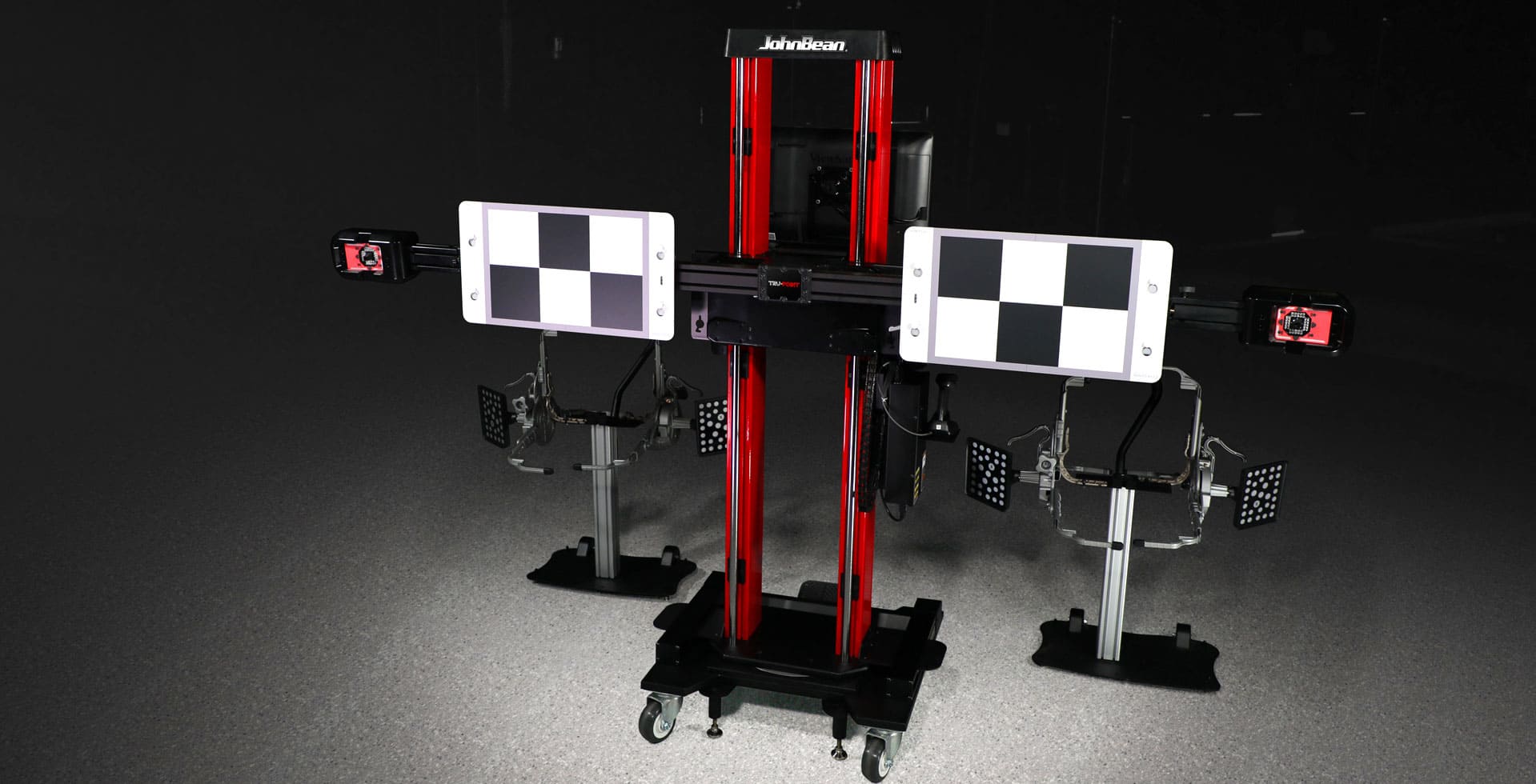 How to Choose the Right ADAS Calibration Targets for Your Business
 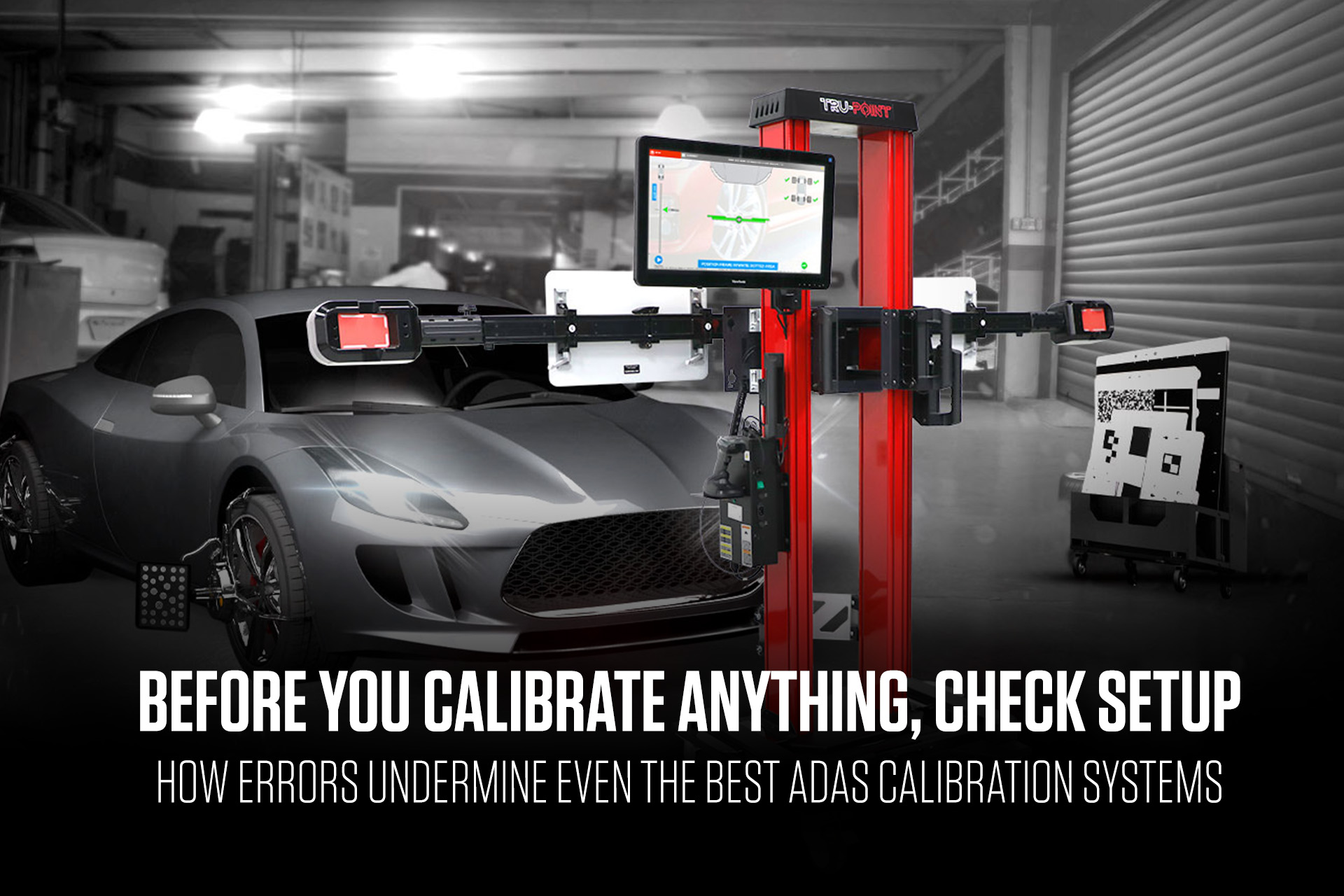 Before You Calibrate Anything, Check Setup. How Errors Undermine Even the Best ADAS Calibration Systems
  Precision Has a Smaller Footprint Than You Think How John Bean Helps Shops Turn Tight Spaces into High-Value Service Bays
 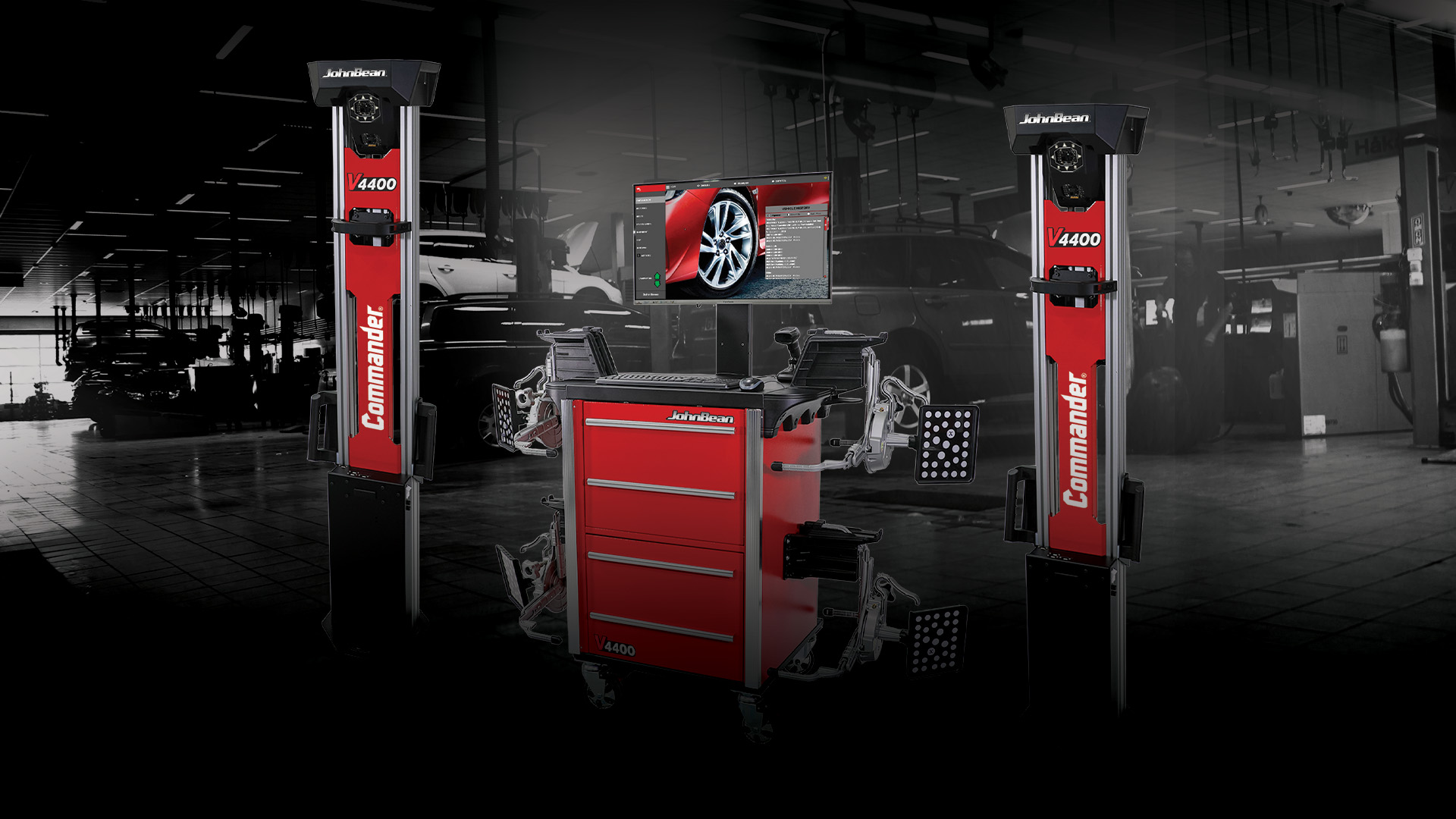 Next Generation Alignment: How the V4400 Commander™ Redefines Shop Efficiency
  How Modern Wheel Alignment Machines Reduce Comebacks and Boost Shop Profitability
  Why Combo ADAS and Alignment Machines Hurt Shop Productivity