
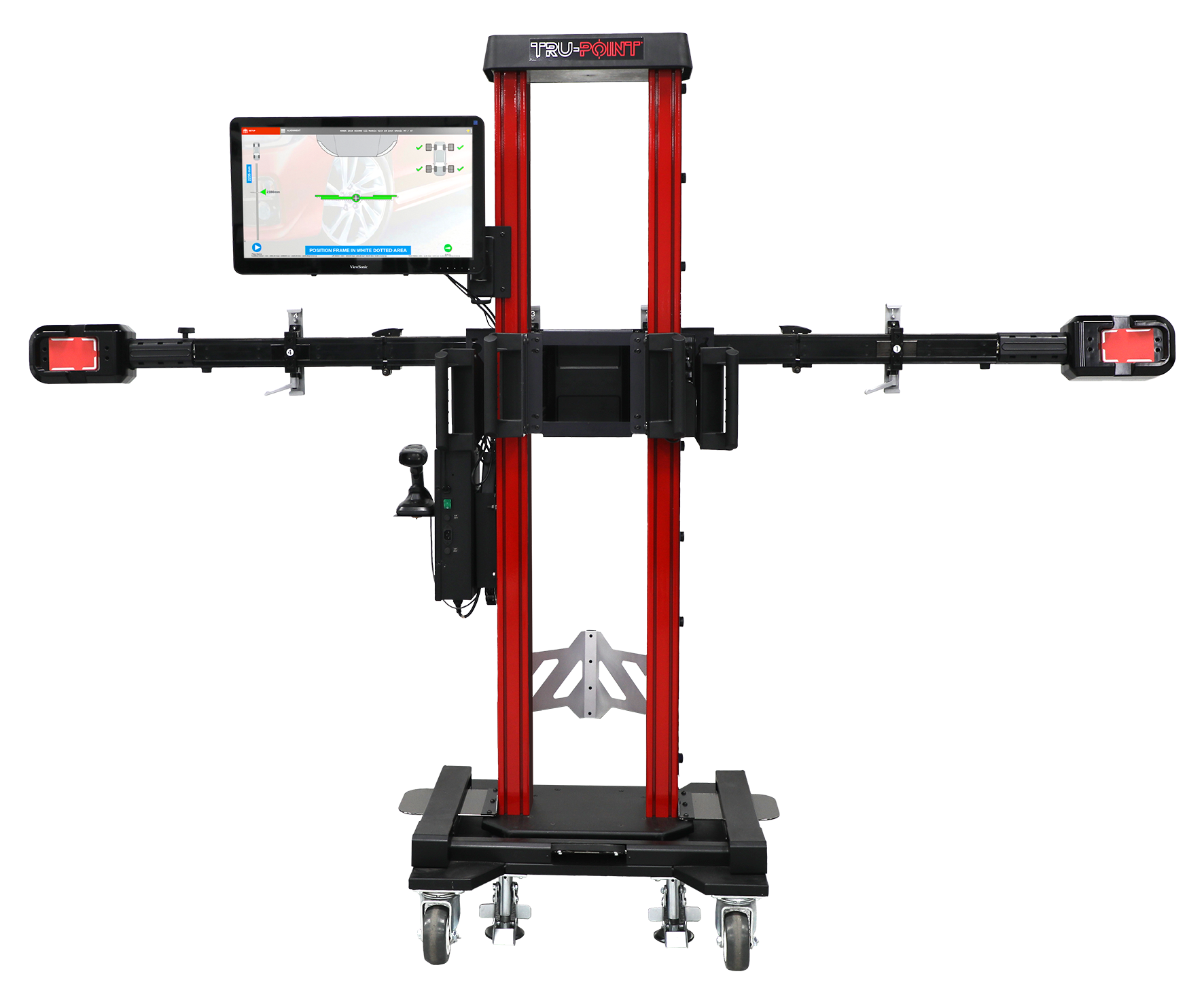
CONWAY, Ark. – May 19, 2026 – As vehicles equipped with advanced driver assistance systems (ADAS) become increasingly prevalent in service bays, repair facilities are seeking smarter ways to improve workflow, increase vehicle throughput and maximize profits. By pairing a John Bean® Tru-Point™ ADAS calibration solution with a John Bean aligner, shops can expand their service capabilities, increase productivity and boost profitability by performing more ADAS calibration and wheel alignment work.
With separate dedicated systems, one vehicle can undergo a wheel alignment while another is calibrated for ADAS, keeping bays active and productive throughout the day. This approach helps shops increase the number of vehicles processed per day, reduce service backlogs, improve appointment availability for walk-ins and add-on services and maximize revenue per service hour. The result is smoother scheduling, improved customer satisfaction and better use of existing shop resources.
“Many service providers are finding that pairing the Tru-Point ADAS calibration system with a dedicated John Bean wheel aligner delivers measurable operational advantages and long-term flexibility,” said Jordan Krebs, product manager for alignment and ADAS, Americas at John Bean. “Rather than combining multiple functions into a single bay, dedicated systems allow shops to perform alignments and ADAS calibrations simultaneously. This parallel workflow reduces the time vehicles spend in service and helps shops service more vehicles per day without adding bays or expanding floor space.”
The Tru-Point ADAS calibration tool checks a vehicle’s alignment before every ADAS calibration. Using two systems also enables technicians to address vehicles that fail the initial alignment check before calibration begins. Tru-Point was designed to work within existing shop layouts. Traditional calibration often requires flat, open spaces and complex setups. Tru-Point helps overcome these limitations by measuring the vehicle’s tire contact patch and compensating for floor inconsistencies.
“Two-in-one systems can bottleneck a shop as one vehicle ties up the bay for a longer time,” said Krebs. “There is little overlap between alignment and calibration jobs regarding space and this can lead to fewer cars serviced per day. Dedicated systems also support specialization, allowing technicians to focus on their core skill sets. Alignment technicians can continue performing high-volume alignment work, while ADAS specialists handle calibrations independently.”
 New Video for Vehicle Owners Highlights Importance of ADAS Calibrations
 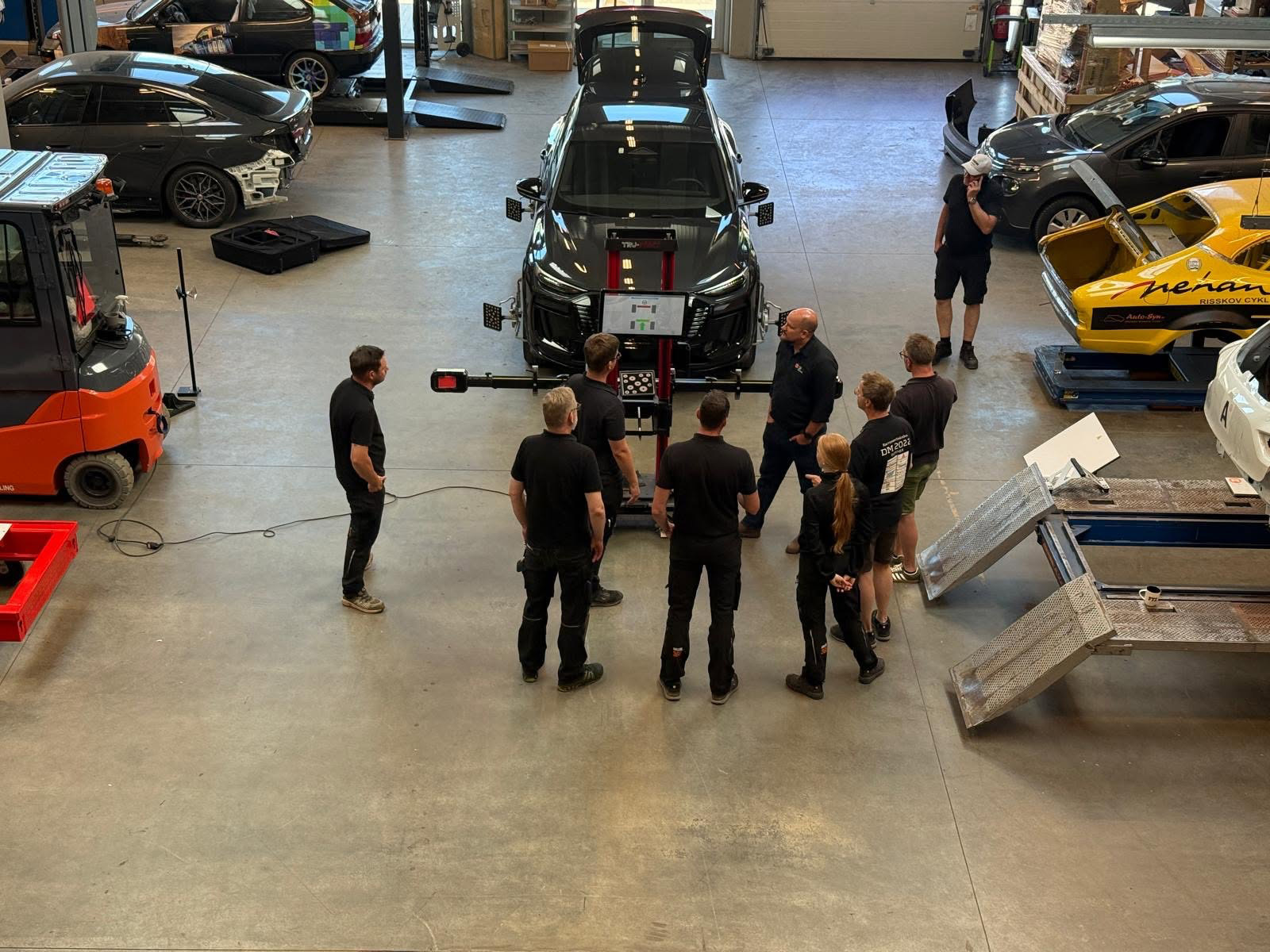 Tru-Point Helps Shops Take on Growing ADAS Service Demand. Efficient, Affordable Option for Front Camera System Calibration
 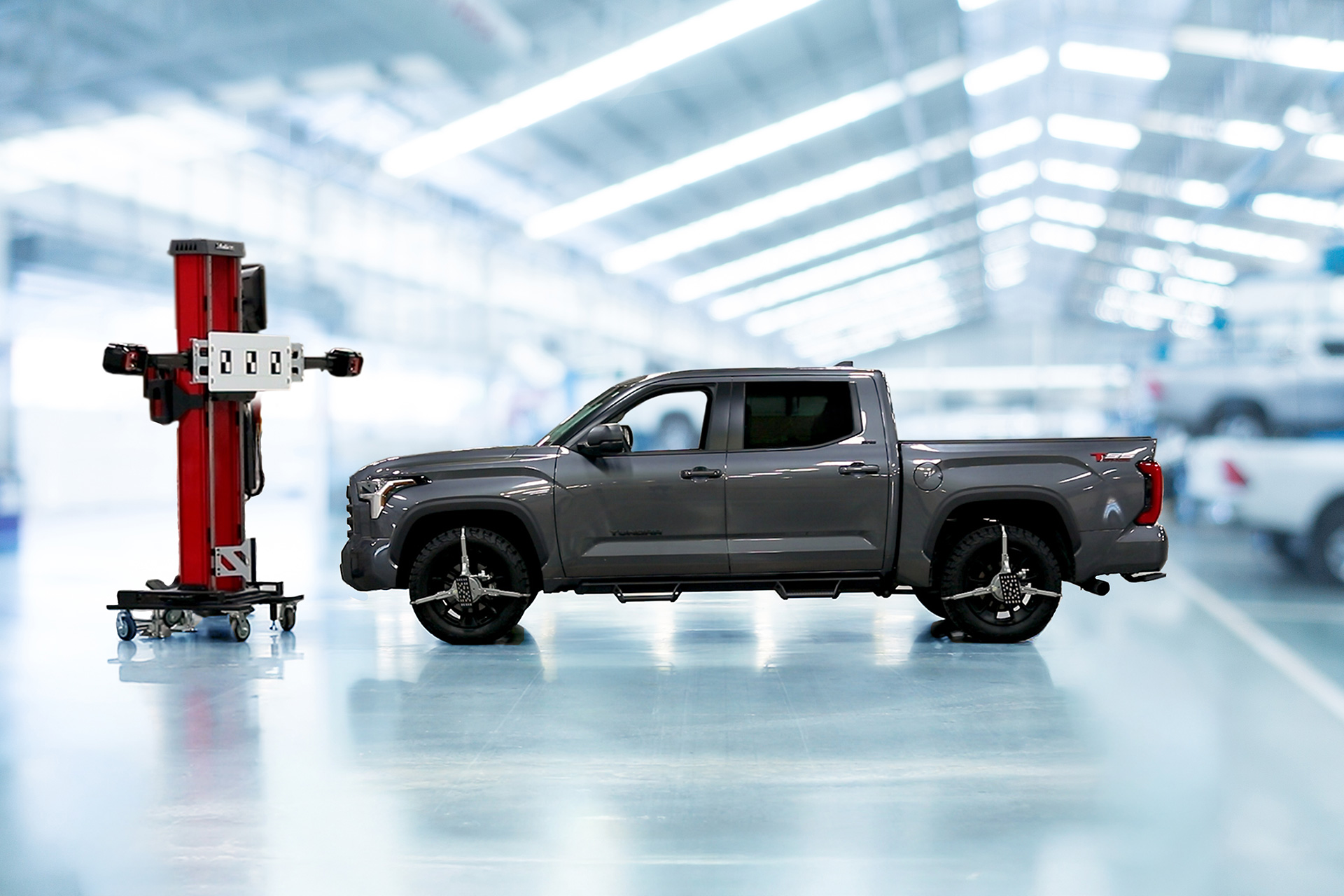 John Bean Expands Tru-Point Vehicle Coverage, Calibration Variations for ADAS Service Procedures
  John Bean Celebrates 100th Anniversary
 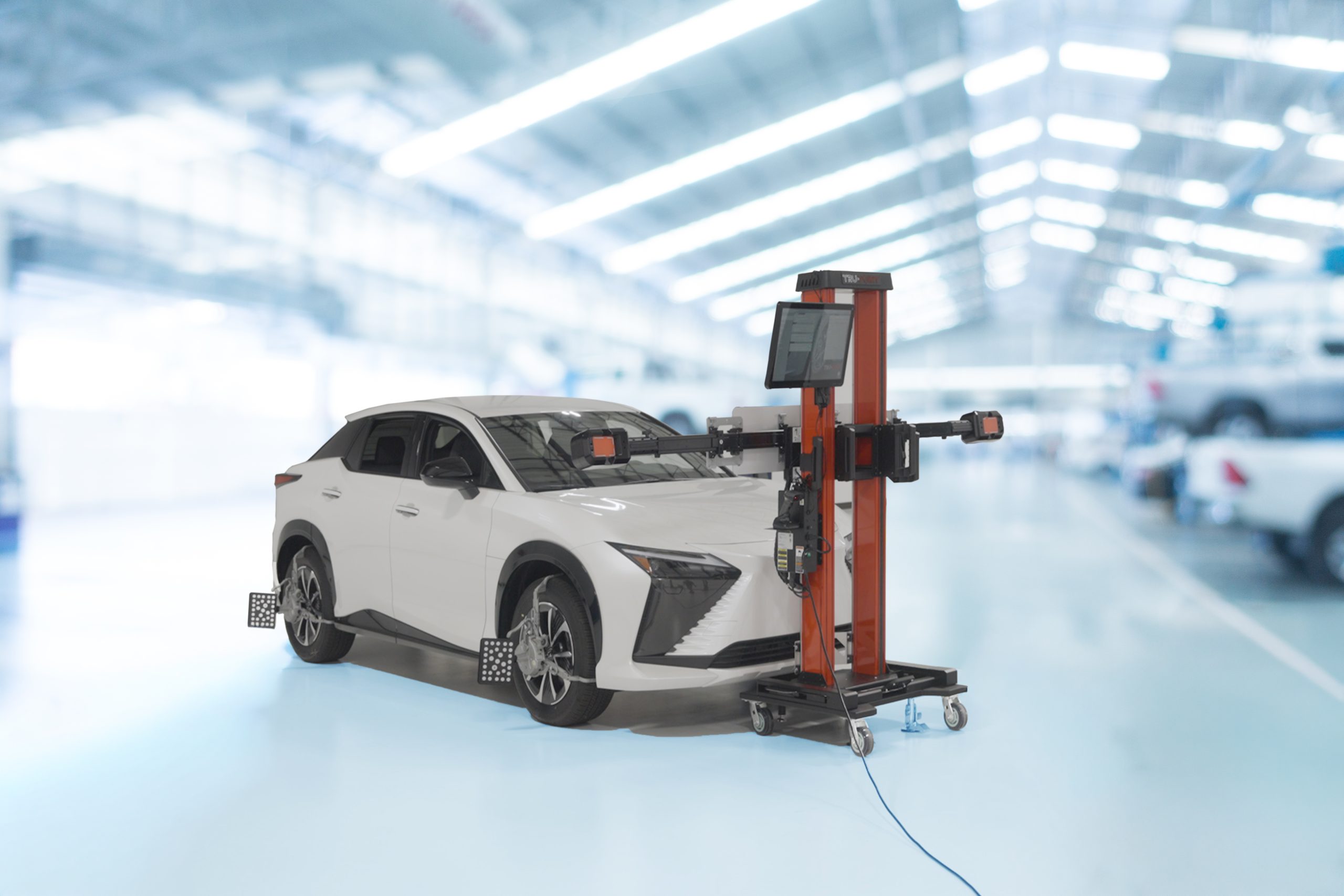 Lexus Approves Tru-Point ADAS Calibration System for Vehicle Service in United States
 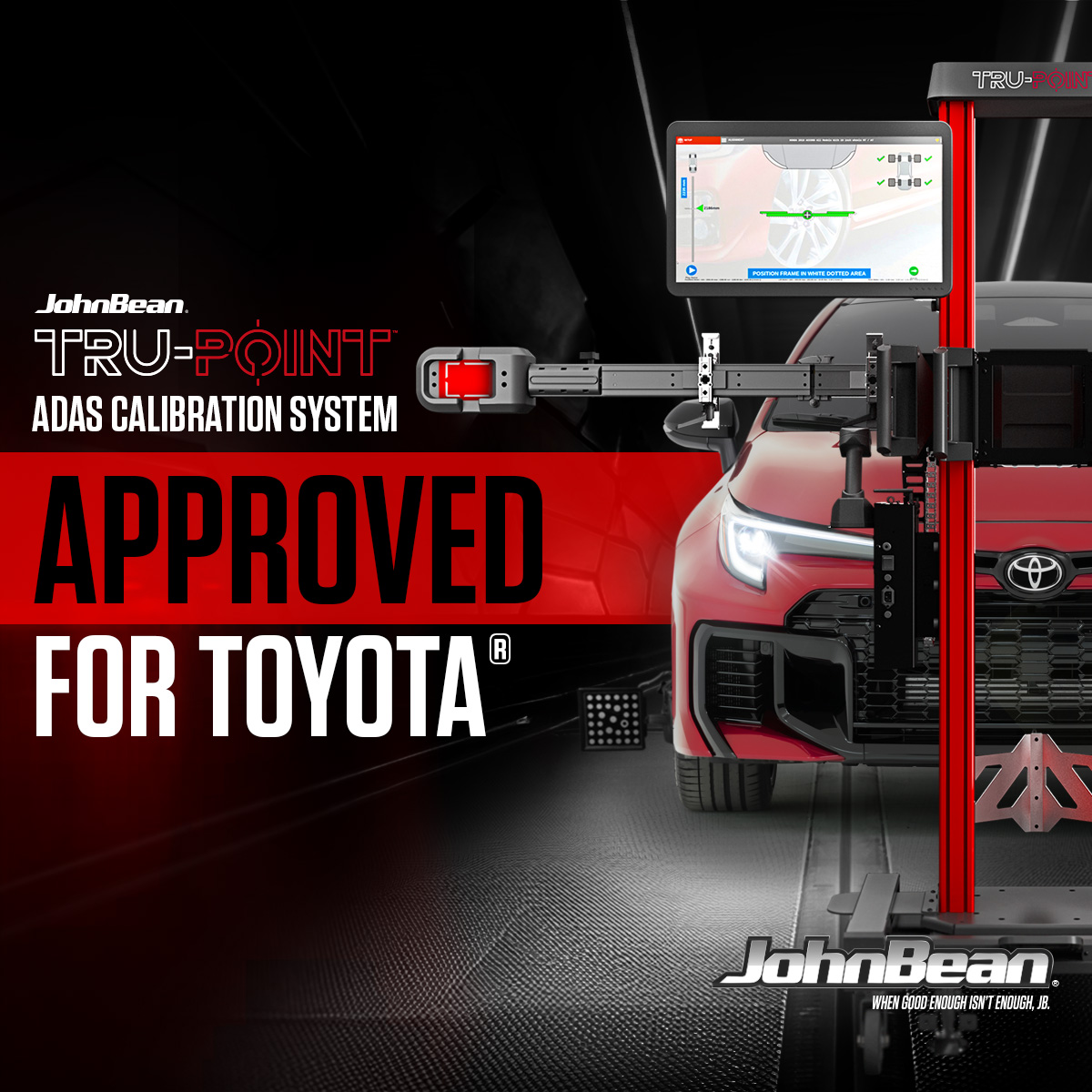 John Bean Tru-Point ADAS Calibration System Approved for Toyota Vehicles in United States
 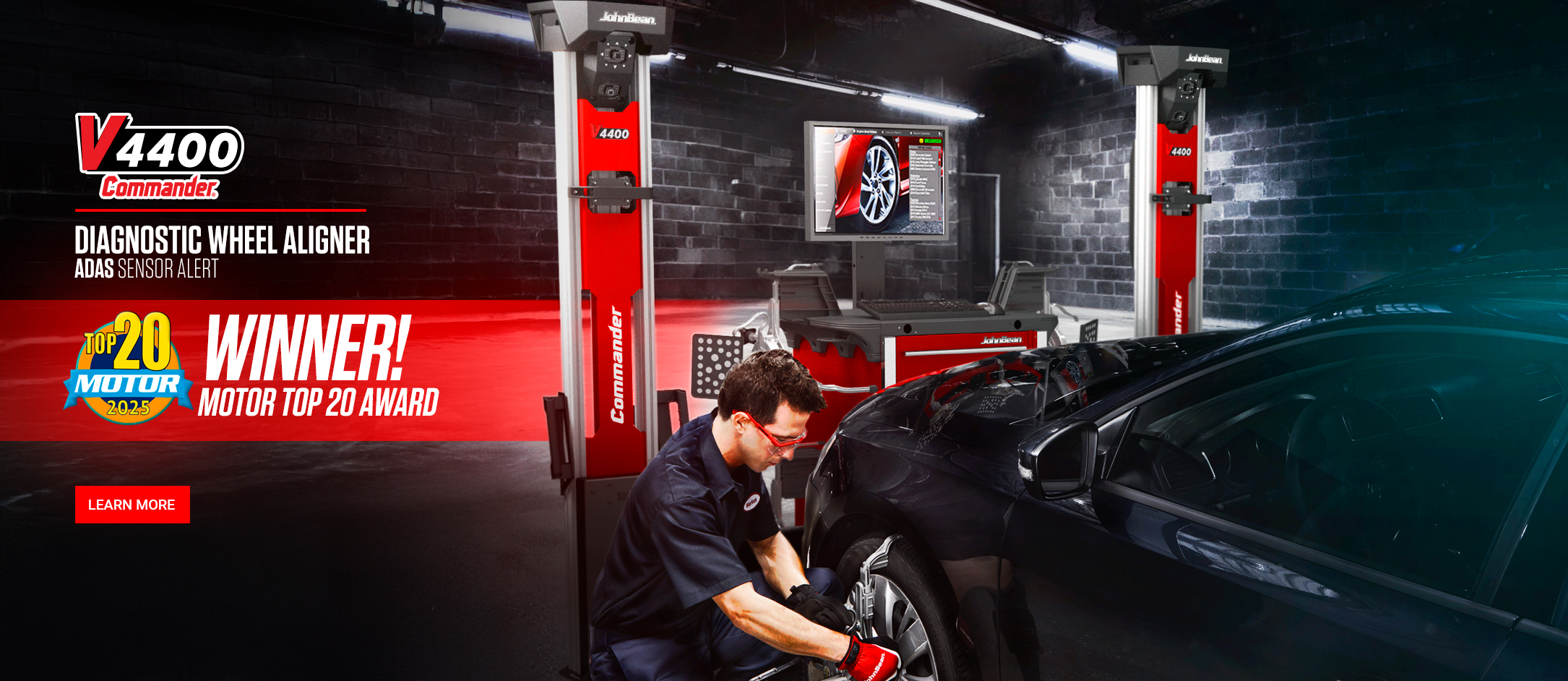 V4400 Commander Receives Motor Top 20 Award
 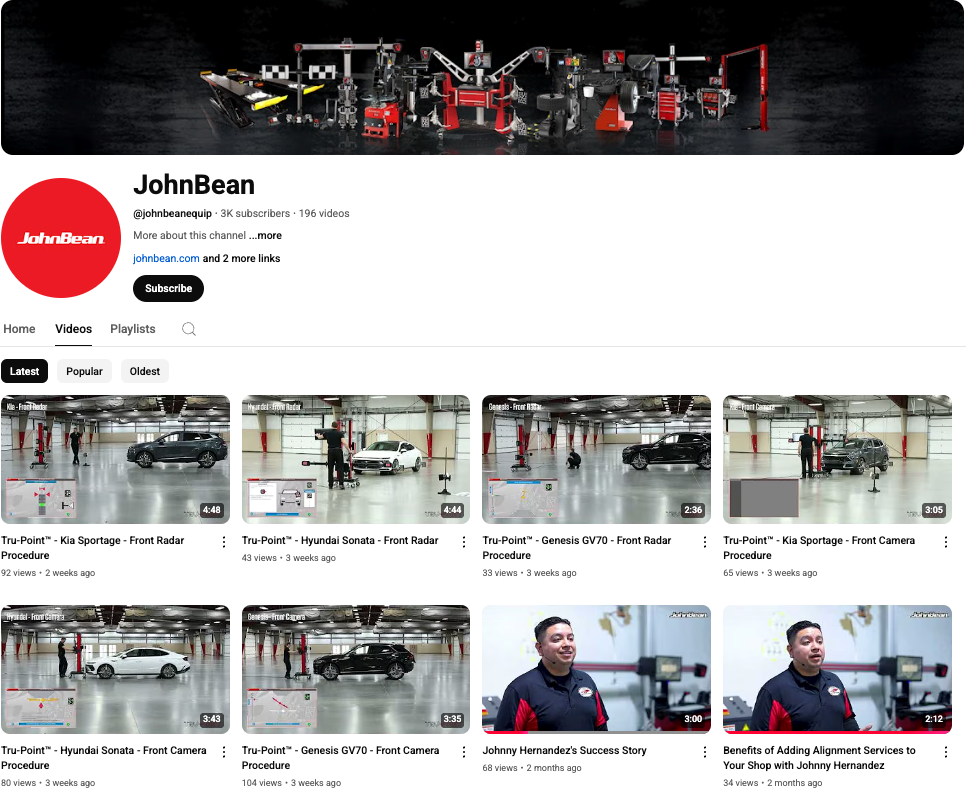 John Bean Adds New Video Content to YouTube Channel