
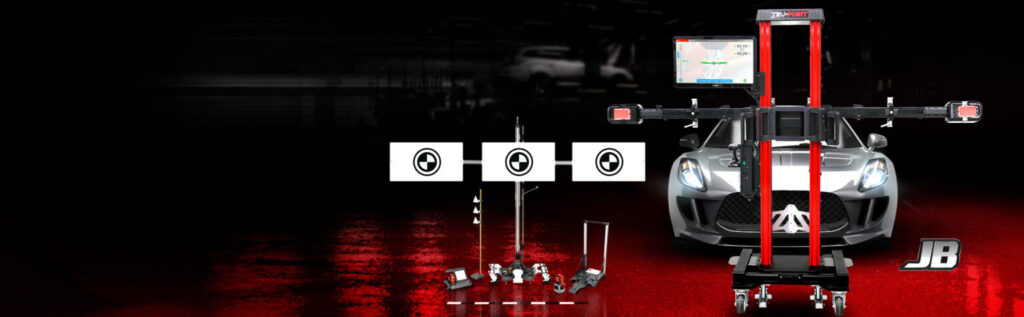
ADAS, which stands for Advanced Driver Assistance Systems, are electronic systems designed to enhance vehicle safety and reduce driver error. What began as a luxury feature in the early 2000s has since become a standard across all vehicle tiers, reflecting a broader industry shift toward making safety technology universally accessible.
This article covers what ADAS is, how it works, and why proper calibration is critical to keeping these systems accurate and reliable.
What is ADAS?
Advanced Driver Assistance Systems (ADAS) represent a significant leap forward in automotive technology, aiming to enhance road safety and improve driving convenience. At its core, ADAS is a set of systems and features designed to prevent and/or reduce the severity of accidents by identifying and tracking objects near the vehicle such as barriers, other cars, and pedestrians.
Primary Functions of ADAS
ADAS functions through a sophisticated network of sensors, cameras, and algorithms to monitor the vehicle’s surroundings, detect potential hazards and, in certain instances, take action to avoid accidents. Its primary function is to augment the driver’s capabilities, providing real-time data and feedback to improve decision-making on the road.
Benefits of ADAS
First and foremost, ADAS significantly reduces the likelihood of human error, which is a leading cause of road accidents. By alerting drivers to potential risks and even taking control of the vehicle in critical situations, ADAS drastically enhances overall vehicle safety. Additionally, ADAS components add a layer of convenience to driving, making long journeys less taxing and everyday commutes smoother and safer.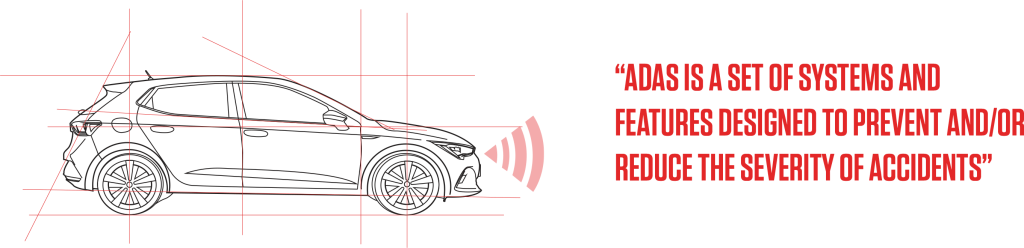
Common Types of ADAS Technology
Several ADAS technologies have become prevalent in modern vehicles, each designed to address specific driving challenges:
- Forward Collision Warning (FCW): Alerts the driver to an imminent collision with a vehicle or obstacle ahead, providing valuable time to react and avoid potential accidents.
- Lane Departure Warning (LDW): Monitors lane markings and alerts the driver if the vehicle begins to drift out of its lane without signaling, helping to prevent unintended lane changes and collisions.
- Automatic Emergency Braking (AEB): Detects potential collisions and automatically applies the brakes if the driver fails to respond in time, reducing the severity of crashes or avoiding them altogether.
- Adaptive Cruise Control (ACC): Automatically adjusts the vehicle’s speed to maintain a safe distance from the car ahead, facilitating a more comfortable and less strenuous driving experience, especially on long journeys.
By integrating these technologies, ADAS enhances driving safety, reduces the stress of navigating busy roads, and helps to create a more intuitive driving experience.
Understanding ADAS Calibration
ADAS calibration is the precision-driven process essential for maintaining the functionality and accuracy of an Advanced Driver Assistance System. It’s about fine-tuning the sensors and cameras that are the eyes and ears of ADAS, ensuring they can correctly assess the environment around the vehicle and act appropriately.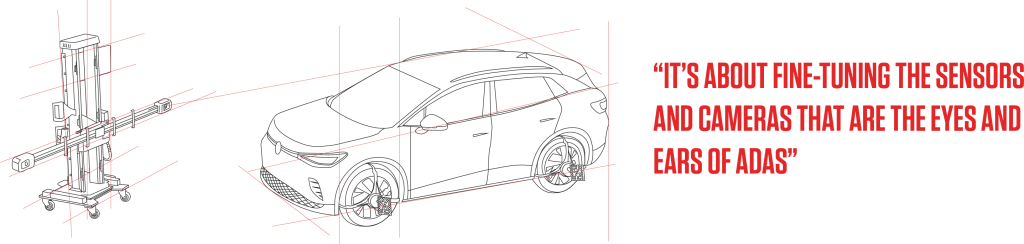
Components of ADAS
ADAS relies on four interconnected layers working in unison:
- Sensors — Cameras, radar, LiDAR, and ultrasonic sensors act as the system’s eyes, continuously gathering data on the surrounding environment.
- Processing Units — ECUs and sensor fusion software combine inputs from multiple sources into a single, accurate picture of the vehicle’s surroundings.
- Actuators — Execute the system’s decisions physically, whether applying the brakes, adjusting steering, or modulating throttle.
- Human-Machine Interface (HMI) — Keeps the driver informed through dashboard displays, heads-up displays, and haptic feedback.
Because these components must work in precise coordination, even a minor physical disturbance, such as a windshield replacement or a front-end repair, can compromise the entire system, making proper calibration essential.
Calibration and Recalibration: Ensuring Precision and Safety
When a vehicle undergoes repairs, especially after an accident where critical parts like windshields or bumpers are replaced, an ADAS sensor can be knocked out of alignment. Calibration ensures the ADAS components are installed to factory specifications, making sure they can continue to provide reliable data for the vehicle’s safety systems. ADAS recalibration is crucial for restoring sensor accuracy, particularly after physical changes to the vehicle that could affect sensor orientation or functionality.
Meeting OEM Standards
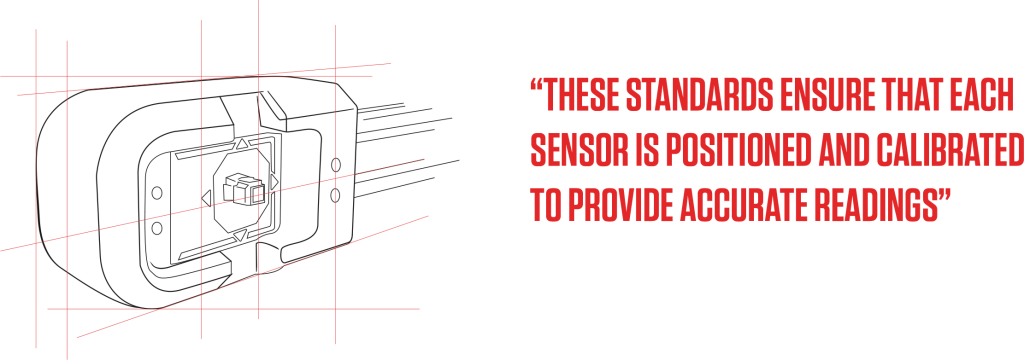
ADAS calibration must adhere to strict OEM standards. These standards ensure that each sensor is positioned and calibrated to provide accurate readings, which is critical for the safety features to function correctly. Even a minor misalignment can significantly impact the system’s effectiveness, highlighting the need for precise calibration.
Types of ADAS Calibration
There are primarily two types of ADAS calibration, each tailored to different requirements:
- Static Calibration: Conducted in a controlled environment, static calibration involves setting up the vehicle in a specially equipped space. The process requires a level floor, specific lighting conditions, and the absence of reflective surfaces to avoid sensor confusion. Calibration targets are used to align sensors accurately. The primary drawback of this type of calibration is allocating the space needed to conduct this work.
- Dynamic Calibration: This type involves calibrating the sensors while driving the vehicle under specific conditions. It ensures that the ADAS can accurately interpret real-world data. The dynamic ADAS calibration process might need clear road markings, certain speeds, and sometimes, the presence of other vehicles to calibrate the system effectively. However, factors like weather conditions and road visibility can limit real world data to the camera, affecting the calibration process.
The Critical Role of ADAS Calibration
ADAS calibration is paramount for the operational integrity and accuracy of the vehicle’s safety systems. This process is not merely a technical requirement, it’s a cornerstone of automotive safety. Proper calibration ensures important ADAS functionalities like automatic emergency braking, lane keep assist, and adaptive cruise control are precise and reliable. This precision is also crucial to avoid system malfunctions or false alerts, maintaining safety and compliance with vehicle manufacturer specifications.
Cost of ADAS Calibration Equipment
ADAS calibration equipment is priced across a range, with costs varying based on several factors including the calibration target required, software licensing, vehicle database access, and additional accessories such as boards, hooks, and stands.
For an accurate quote based on your shop’s specific needs, contact your local John Bean representative.
ADAS Sensors that Need Calibration
ADAS relies on a network of sensors to provide critical data for enhancing vehicle safety and driving comfort. These sensors vary in function and placement, each playing a unique role in the ADAS ecosystem. Regular calibration of these sensors ensures the accuracy and reliability of the system.
- Steering Angle Sensors: Steering angle sensors detect the orientation of the steering wheel, influencing ADAS functionalities like adaptive headlights and blind spot detection. Calibration is needed after structural changes or airbag deployment.
- Front Facing Camera Sensors: These ADAS cameras, typically mounted near the windshield, are vital for functions such as automatic emergency braking and lane departure warning. Calibration becomes necessary after windshield replacement or front-end repairs.
- Forward Radar Sensors: Located at the front of the vehicle, these sensors are crucial for adaptive cruise control and forward collision warning systems. They require calibration after modifications to the front bumper or after a collision repair.
- Rear Radar Sensors: Rear radar sensors help with blind spot warning and rear cross traffic alert, needing calibration after rear bumper removal or collision repairs.
- Lidar Sensors: Lidar (Light Detection and Ranging) sensors provide 3D representations of the vehicle’s surroundings, crucial for detecting objects and their distances. Calibration is required when lidar units are disturbed or replaced.
- Ultrasonic Sensors: These sensors assist with parking and maneuvering in tight spaces by detecting nearby objects.
- Wheel Speed Sensors: Part of the ABS system, these sensors also contribute to ADAS functionalities by monitoring the speed of each wheel. They usually need recalibration after brake or wheel hub work.
- Yaw Rate Sensors: These sensors measure a vehicle’s rotation around its vertical axis, aiding stability control and cornering functions of ADAS. Calibration is usually required after suspension or significant chassis work.
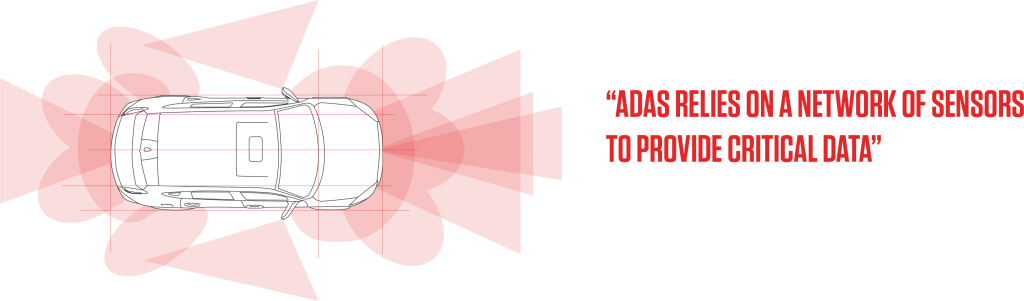
Each of these sensors plays a vital role in the overall functionality of the ADAS, requiring precise calibration to function correctly. Regular maintenance and calibration of these sensors ensure that the ADAS operates as intended, providing safety and convenience to the driver.
John Bean ADAS Calibration Equipment
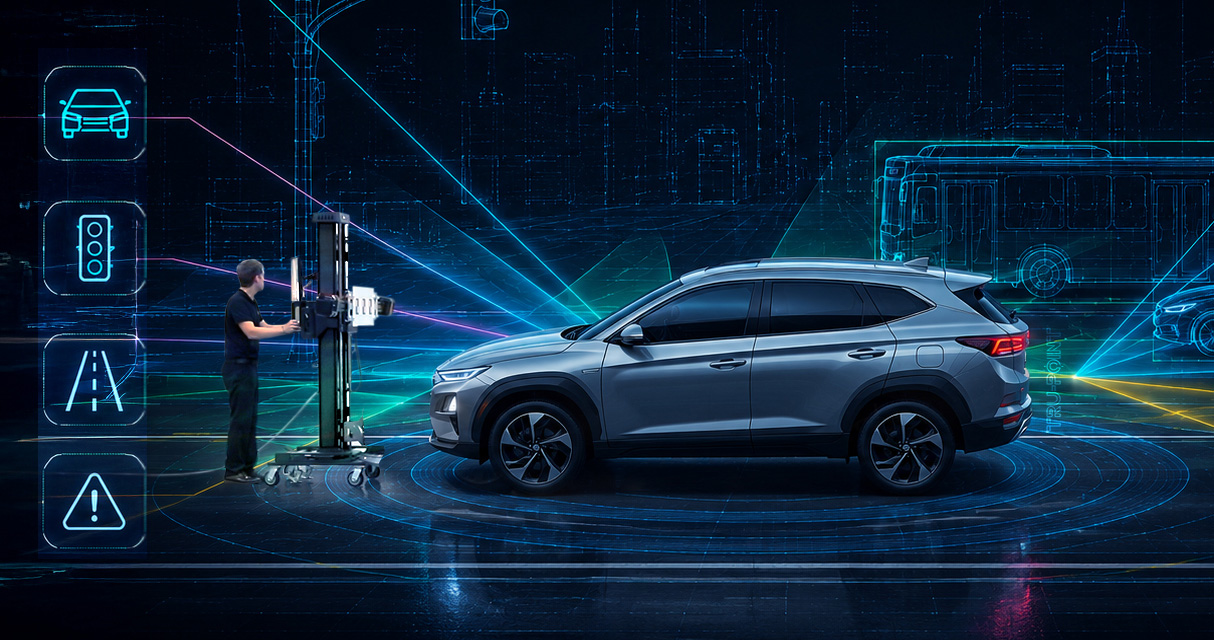
In the bustling realm of commercial automotive services, where every second and every detail counts, having the proper ADAS calibration equipment is not just an advantage, it’s a necessity. John Bean solutions are tailored to these high-stakes environments, ensuring that workshops can deliver ADAS calibrations that are not only precise but also consistently reliable and efficient, maintaining the rhythm of high-volume operations without compromise.
EZ-ADAS
The John Bean EZ-ADAS calibration system is a masterclass in calibration efficiency and accuracy, offering:
- OEM-Based Centerline Setup: Streamline your calibration process with a system designed to quickly align targets with the vehicle’s ADAS, reducing setup time and increasing throughput.
- Precision Laser Technology: Minimize the margin for error with laser-guided accuracy, ensuring that each calibration is performed to the highest standard.
- User-Friendly Operation: The EZ-ADAS system is designed to be accessible, with straightforward target placement that empowers technicians of all skill levels to perform calibrations confidently and effectively.
The compact design of the EZ-ADAS system, coupled with a wide selection of targets and an optional storage cart, makes it a versatile and space-efficient choice for any workshop looking to enhance its ADAS calibration capabilities.
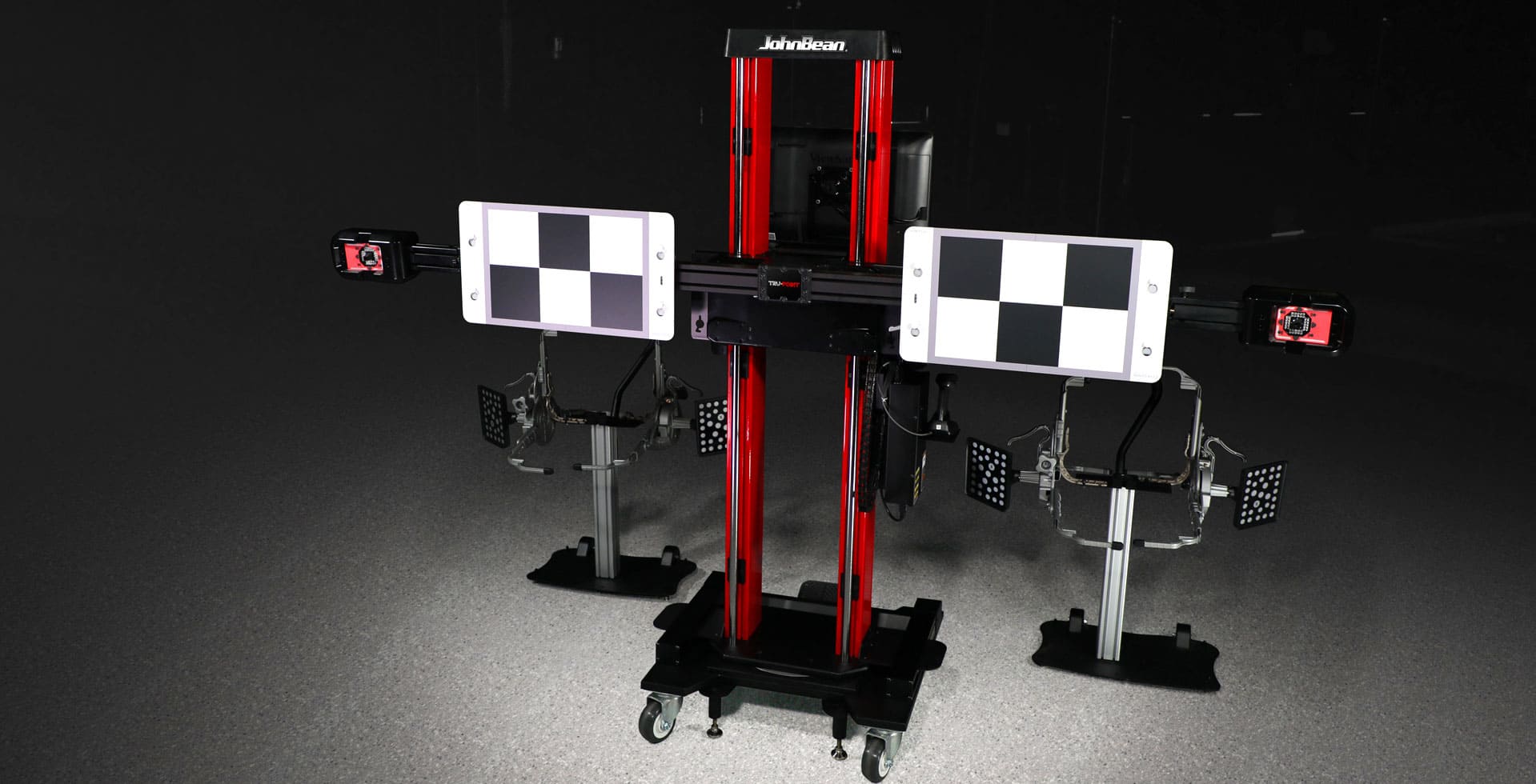
Tru-Point
For workshops seeking the pinnacle of ADAS calibration technology, Tru-Point offers:
- Full 3D Measurement: Utilize advanced camera technology to obtain a detailed 3D view of the vehicle’s alignment and sensor positioning, ensuring meticulous calibrations.
- Continuous Target Monitoring: Benefit from a system that provides real-time feedback, ensuring the calibration process remains accurate from start to finish.
- Floor Compensation Capability: The Tru-Point innovative design allows for accurate calibration on uneven surfaces, up to 4 degrees, providing flexibility and precision in any workshop setting.
Tru-Point works with any ADAS-capable diagnostic tool and produces detailed validation reports, making it an essential system for workshops committed to delivering the highest standards of service and customer satisfaction.
Empowering Your Calibration Services with John Bean
Choosing the John Bean EZ-ADAS or Tru-Point systems means equipping your business with the best in ADAS calibration technology. These systems not only streamline the calibration process but also ensure that it meets the high standards required by OEMs and safety regulations, making them indispensable tools for any auto service provider serious about offering state-of-the-art ADAS calibration service.
Elevate your service offerings with John Bean ADAS Calibration Solutions and keep your business at the forefront of automotive service technology.
Learn More about John Bean ADAS Calibration Solutions
Conclusion
As ADAS becomes standard across all vehicle tiers, accurate calibration is no longer optional, it’s a core part of quality automotive service. At John Bean, our EZ-ADAS and Tru-Point systems are built to meet that demand, delivering the precision and reliability that modern vehicles require.
Contact us today to find the right calibration solution for your shop.
 EV Wheel Service: What’s Different and How to Prepare Your Bay
  Vehicle Stopping Distance: Why Technology Reacts Faster Than You Do and Why Calibration Keeps It That Way
  Hyundai Recall 302: FCA Software Update for Tucson and Santa Cruz
  How to Choose the Right ADAS Calibration Targets for Your Business
  Before You Calibrate Anything, Check Setup. How Errors Undermine Even the Best ADAS Calibration Systems
  Precision Has a Smaller Footprint Than You Think How John Bean Helps Shops Turn Tight Spaces into High-Value Service Bays
  Next Generation Alignment: How the V4400 Commander™ Redefines Shop Efficiency
 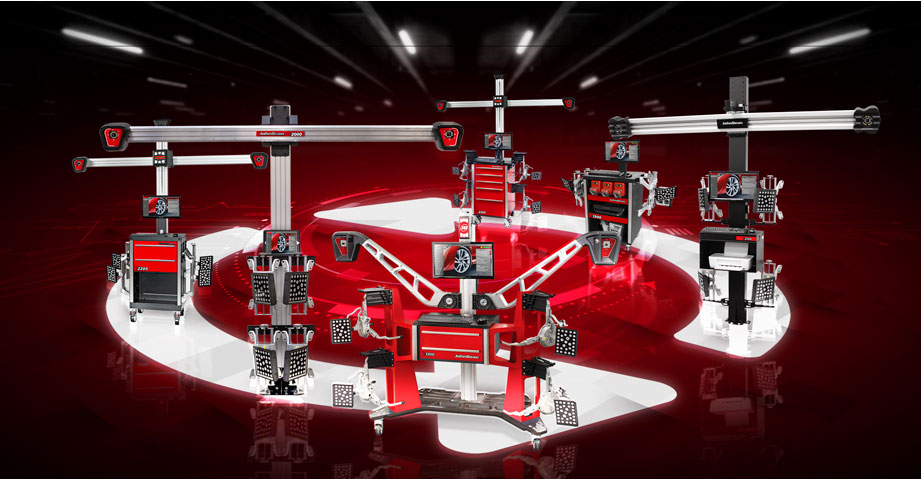 How Modern Wheel Alignment Machines Reduce Comebacks and Boost Shop Profitability
 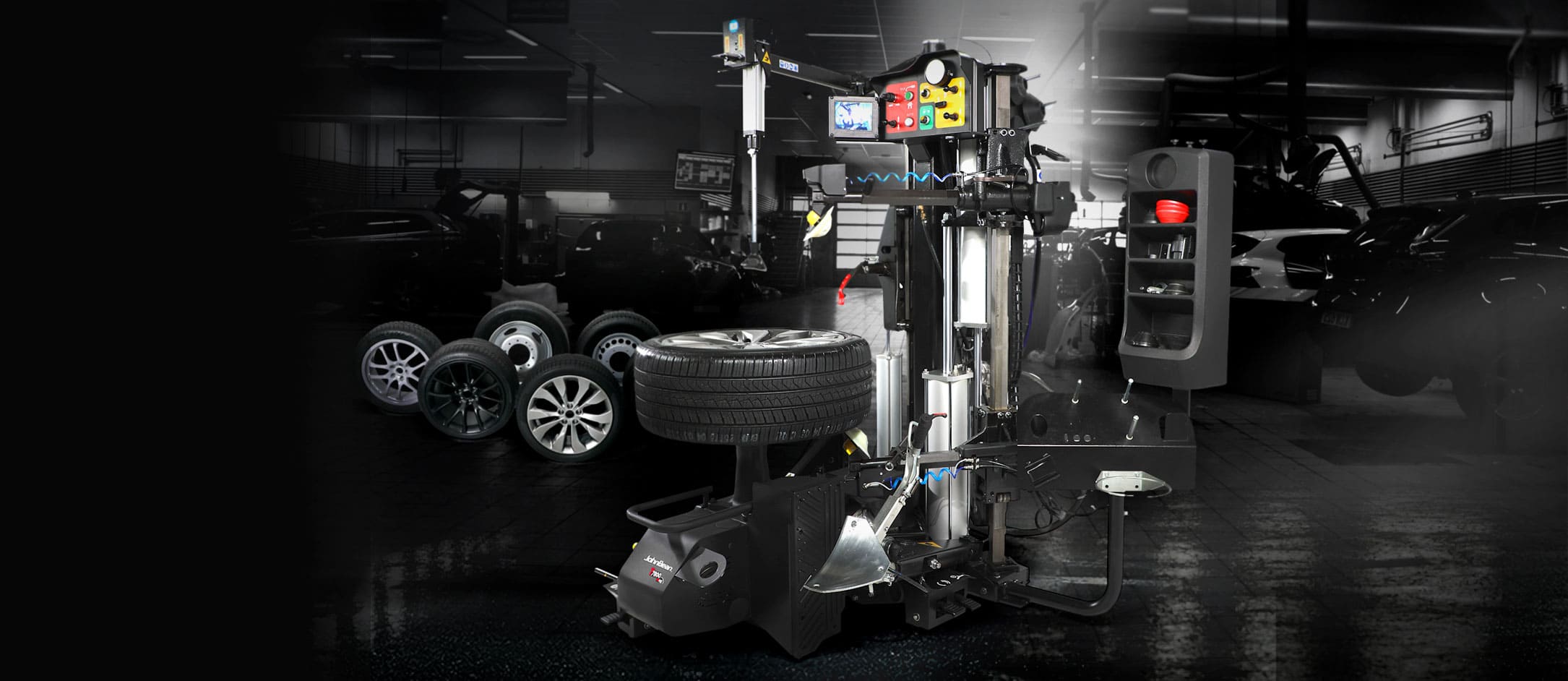 How the Right Tire Changer Increases Shop Efficiency and Customer Throughput
 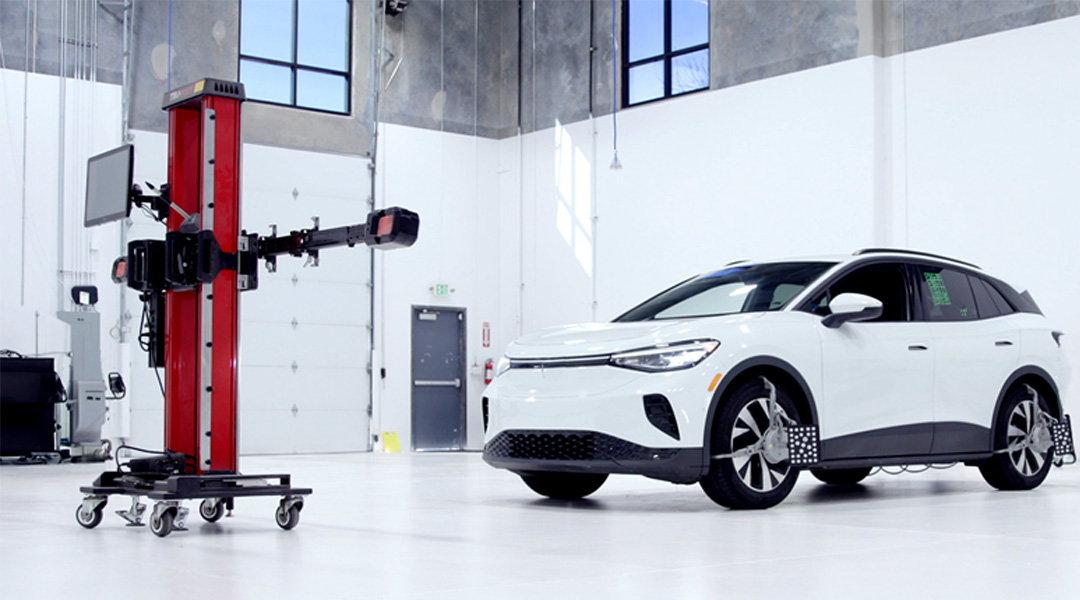 Why Combo ADAS and Alignment Machines Hurt Shop Productivity