
Understanding Wheel Alignment
Wheel alignment is a critical component for the safety and performance of your vehicle. Proper alignment ensures your car handles correctly, preserves tire life, and operates safely. Understanding wheel alignment begins with recognizing its impact on your daily driving. From improving fuel efficiency to ensuring your vehicle remains stable at high speeds, alignment plays a fundamental role.
In this article, we’ll explore the ins and outs of wheel alignment, its impact on your car’s handling and tire wear, and the machines used to get the work done. We’ll discuss the key angles involved, camber, toe, and caster, and their influence on how your vehicle interacts with the road. This information will help your car perform optimally, remain safe on the road, and save you money in the long run.
What is Wheel Alignment?
Wheel alignment, often simply called alignment, is a crucial part of vehicle maintenance that ensures the wheels are set to the optimal angles for smooth and safe driving. This process involves adjusting the angles of the wheels so they are correctly aligned with each other and the road surface.
Proper wheel alignment is about setting them in harmony to deliver a tuned, responsive driving experience. A well-aligned car won’t just save you money on tires; it’ll make your ride safer and more enjoyable. Technicians use sophisticated tools to measure and set these angles precisely, according to the manufacturer’s specifications.
Decoding Tire Angles: Camber, Toe, and Caster
Wheel alignment involves three main settings that affect how the tires interact with the road, each contributing to the vehicle’s overall driving dynamics:
Camber
Camber refers to the angle of the tire in relation to the road when viewed from the front of the vehicle. Tires that lean toward the vehicle have negative camber, while those that lean outward have positive camber.
Proper camber settings ensure that the tire’s tread surface is as flat as possible on the road during turning, maximizing grip and reducing wear. Negative camber can increase handling through corners, but too much can cause the inside of the tire to wear down quickly.

Toe
Toe alignment refers to the direction the tires are pointing compared to a straight-ahead position when viewed from above. If the tires point inward at the front, it’s called toe-in; if they point outward, it’s toe-out.
Toe affects the tires’ directional control and wear patterns. Correct toe alignment helps ensure straight tracking and uniform tire wear. Incorrect toe settings can lead to “sawtooth” wear patterns, and can cause the vehicle to pull to one side.

Caster
Caster angle is the tilt of the steering axis as viewed from the side of the vehicle. Positive caster means the steering axis tilts toward the driver, and negative caster tilts toward the front of the vehicle.
Caster influences steering effort, stability at high speeds, and cornering effectiveness. It doesn’t typically affect tire wear as directly as camber and toe, but it’s crucial for balance between steering ease and highway stability.

Importance of Wheel Alignment
Understanding the importance of wheel alignment is essential for maintaining vehicle performance and safety. When wheels are not correctly aligned, the consequences can be both costly and dangerous.
Here’s a closer look at the potential issues, and the benefits of maintaining proper alignment:
- Premature Tire Wear: Misalignment can cause uneven tire wear, necessitating early tire replacement. This not only increases your maintenance costs, but can also compromise the grip and safety of your vehicle on the road. Proper alignment ensures even wear, maximizing tire lifespan and optimizing the value of your investment in quality tires.
- Increased Replacement Costs: When tires wear unevenly and prematurely, replacement costs add up quickly. Additionally, improper alignment can stress other vehicle components, such as the suspension and steering systems, potentially leading to further repairs and associated costs.
- Compromised Vehicle Safety: Poor alignment may cause your vehicle to pull to one side, which can be particularly hazardous in wet or icy conditions. This pulling can diminish the driver’s control over the vehicle, increasing the risk of accidents.
- Reduced Fuel Efficiency: Misaligned wheels can also lead to increased rolling resistance, which means your vehicle’s engine must work harder to move forward, consuming more fuel in the process. Proper alignment helps in maintaining optimal fuel efficiency, saving you money at the pump and reducing the environmental impact.
By regularly checking and correcting wheel alignment, you ensure that your vehicle remains safe, efficient, and less costly to maintain. This tire service is not just a maintenance task; it’s a crucial investment in your vehicle’s longevity and performance. Ensuring your wheels are properly aligned keeps your car running smoothly and efficiently, enhancing your driving experience while also promoting safety for you and others on the road.
The Alignment Process
The precision of wheel alignment is crucial for ensuring optimal vehicle performance, enhancing both safety and efficiency. Achieving this precision requires both very skilled technicians and advanced technology.
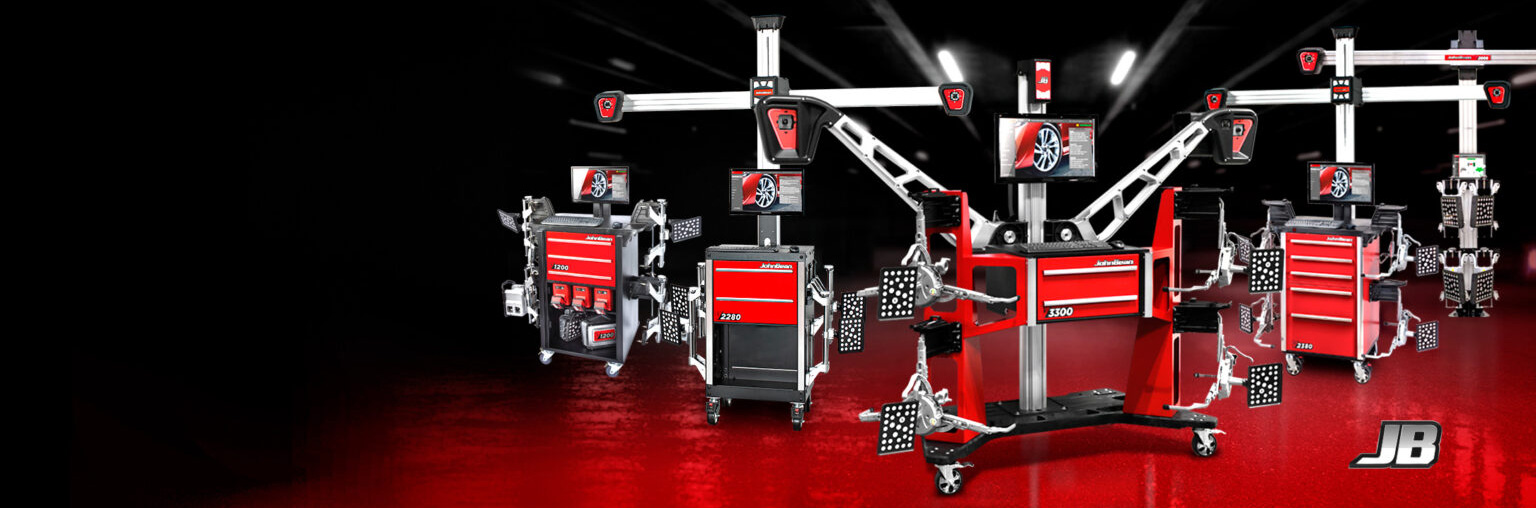
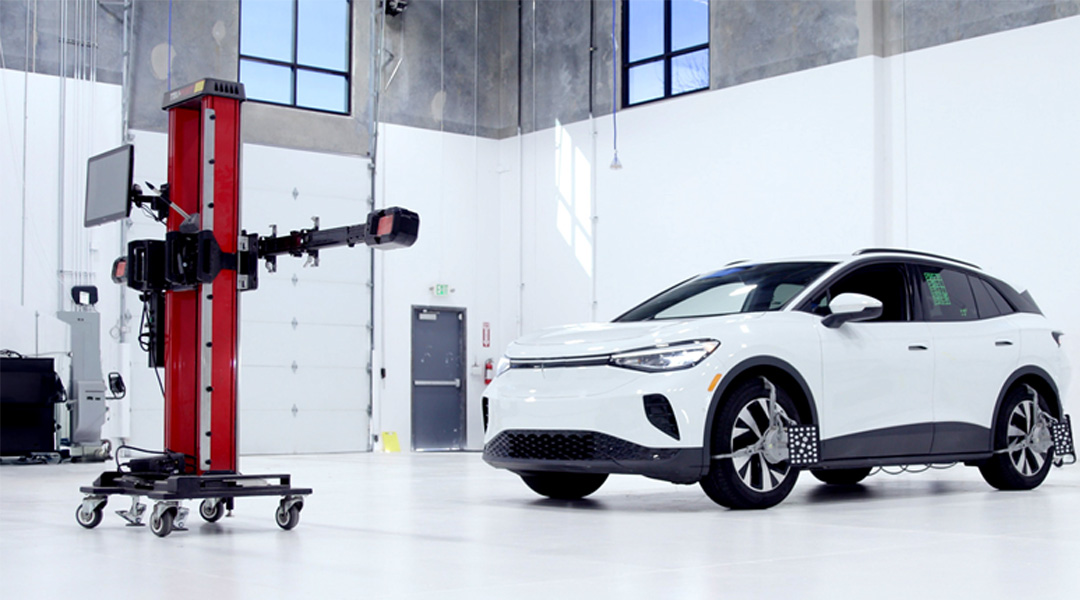
During a routine wheel alignment service, mechanics utilize state-of-the-art equipment for exact measurements. John Bean machines, known for their innovative features such as advanced imaging and 3D technology, play a key role in these settings, enhancing both the accuracy and efficiency of the alignment process—essential attributes for modern vehicle maintenance.

Initial Vehicle Inspection
The alignment process begins with a thorough inspection of the vehicle’s suspension system and current alignment status. Technicians look for any signs of wear or damage that could affect the alignment, such as worn steering components or damaged tires. This step is vital, as it helps to identify any underlying issues that might need addressing before the alignment itself can be corrected.
Adjustment of Camber, Toe, and Caster Angles
Using specialized alignment equipment, trained technicians adjust the angles of your tires. These adjustments are made to the camber (the angle of the tire inward or outward), toe (the direction the tires are pointing relative to one another), and caster (the angle of the steering pivot as viewed from the side of the vehicle). Each of these settings plays a critical role in how the vehicle handles, and how evenly the tires wear.
Verification of Alignment Settings
Once the adjustments are made, technicians will use the alignment machine to verify that all settings meet the vehicle manufacturer’s specifications. This step ensures that the adjustments are accurate, and that each wheel is aligned correctly relative to the vehicle’s centerline.
Road Test for Final Adjustments
The final step in the alignment process is a road test. This allows the technician to confirm that the vehicle is handling properly and that the alignment has restored the vehicle’s performance to its optimal level. Any unusual handling or steering behaviors noted during the test may require further adjustments.

Signs You Need a Wheel Alignment
Catching the signs you need a wheel alignment early can save you money on tires and keep your vehicle handling safely. Misaligned wheels also put extra strain on steering and suspension parts, so small symptoms can turn into bigger repair bills. Here are the most common signs to watch for.
- Vehicle pulling or drifting. The car veers to the left or right on a straight, flat road, or it drifts when you briefly loosen your grip on the wheel. If you are making constant small steering corrections to keep the vehicle straight, it is time to check the alignment.
- Uneven or rapid tire wear. Look for tread that is wearing faster on the inside or outside edge than across the rest of the tire. This pattern often points to a camber or toe problem, and it can shorten tire life well before the tread is actually worn out.
- Crooked or off-center steering wheel. If the steering wheel sits at an angle while you are driving straight, the wheels are not pointing where they should be, even if the car seems to track fine.
- Steering wheel vibration or shaking. A shaking steering wheel, especially at higher speeds, can signal an alignment issue. Because worn suspension parts and unbalanced tires can cause similar vibrations, a full inspection helps pinpoint the real cause.
- Squealing tires. Tires that chirp or squeal when you take corners at normal speeds are often being dragged out of line, which scrubs rubber off the tread.
When to Schedule a Wheel Alignment
If you notice any of these symptoms, schedule an alignment right away rather than waiting. Driving on misaligned wheels wears tires out faster and can reduce steering response when you need it most.
Even without symptoms, build alignment checks into your regular maintenance routine. A good rule of thumb is a check every six months, every 6,000 to 10,000 miles, or at least once a year, whichever comes first. Also schedule an alignment after any of these events.
- A hard impact. Hitting a large pothole, bumping a curb or being in a minor accident can knock the wheels out of position, sometimes without any obvious symptom at first.
- New tires. An alignment helps protect your investment and gets the most life out of a fresh set.
- New suspension or steering parts. Replacing components such as tie rods, control arms or struts changes the alignment angles.
Many newer vehicles also have driver assistance systems that rely on cameras and sensors. After an alignment, these systems may need calibration, so ask your shop whether it is required for your vehicle.
For the best results, choose a shop with modern equipment. Precise 3D imaging alignment measures the angles that affect tracking and tire wear, so the technician can correct the cause and not just the symptom. According to John Bean, a pioneer of 3D imaging alignment, that kind of accuracy is the foundation of a safer, smoother drive and longer tire life.
Front-End Alignment vs. Four-Wheel Alignment: Which Do You Need?
Not all wheel alignments are the same. Depending on your vehicle’s suspension design, you’ll need either a front-end (two-wheel) alignment or a four-wheel alignment, and the distinction matters.
Front-end alignment adjusts the camber, toe, and caster on the front wheels only. It’s the right service for older vehicles, trucks, and rear-wheel-drive cars with a solid rear axle, where the rear wheels are fixed and non-adjustable.
Four-wheel alignment addresses all four wheels relative to the vehicle’s centerline, including the rear suspension. This is the standard for modern sedans, crossovers, SUVs, and most vehicles with independent rear suspension, including many AWD and 4WD vehicles. Even without a major impact, modern independent rear suspension can drift out of alignment, and no amount of front-end adjustment will correct a misaligned rear axle.
Conclusion
Wheel alignment is crucial for ensuring your vehicle performs safely and efficiently. Regular alignment checks safeguard against premature tire wear, enhance fuel efficiency, and improve handling, making every drive smoother and more secure. This maintenance isn’t just about adjusting angles; it’s about optimizing your car’s overall performance and extending the lifespan of its tires.
Ignoring proper alignment can lead to increased maintenance costs and compromised safety. By embracing regular wheel alignment service, you not only protect your investment but also contribute to safer roads for everyone.
As you ensure regular wheel alignments to maintain vehicle performance and safety, consider the expertise and technology behind the service. Service providers using advanced systems, such as John Bean wheel alignment machines, demonstrate a commitment to quality that can significantly enhance the results.
FAQs
How much does a wheel alignment cost?
The cost of wheel alignment varies depending on several factors, including the type of alignment (front-end vs. four-wheel), the location of the service provider, and any additional services or packages offered. On average, you might expect to pay between $50 to $100 for a front-end alignment, and $100 to $200 for a four-wheel alignment.
Is wheel alignment necessary? What happens if you skip it?
Yes, regular wheel alignment is necessary to ensure your vehicle’s safety, efficiency, and tire longevity. Misalignment can lead to uneven tire wear, poor handling, and increased fuel consumption.
How often should you get a wheel alignment?
It’s generally recommended to get a wheel alignment once a year or every 12,000 miles, whichever comes first. However, if you frequently drive on rough roads or notice any symptoms of alignment issues, you may need to check it more frequently.
How long does a wheel alignment take?
A typical wheel alignment takes about one hour. This can vary based on the condition of the vehicle and whether any additional adjustments are necessary.
How long should the alignment last?
A proper alignment should last at least one year or until the next set of tires is needed, assuming no severe impacts or damage occurs to the vehicle’s suspension. Regular checks can help ensure the alignment remains optimal.
What happens if I don’t get my wheels aligned?
Neglecting wheel alignment can lead to faster tire wear, decreased fuel efficiency, and potentially unsafe driving conditions. It can also lead to additional strain on car components, leading to more expensive repairs.
How fast will tires wear out with bad alignment?
With bad alignment, tires can wear out much faster than normal. Severe misalignment can cause tires to wear unevenly within a few thousand miles, significantly reducing their lifespan.
 EV Wheel Service: What’s Different and How to Prepare Your Bay
 Vehicle Stopping Distance: Why Technology Reacts Faster Than You Do and Why Calibration Keeps It That Way
 Hyundai Recall 302: FCA Software Update for Tucson and Santa Cruz
 How to Choose the Right ADAS Calibration Targets for Your Business
 Before You Calibrate Anything, Check Setup. How Errors Undermine Even the Best ADAS Calibration Systems
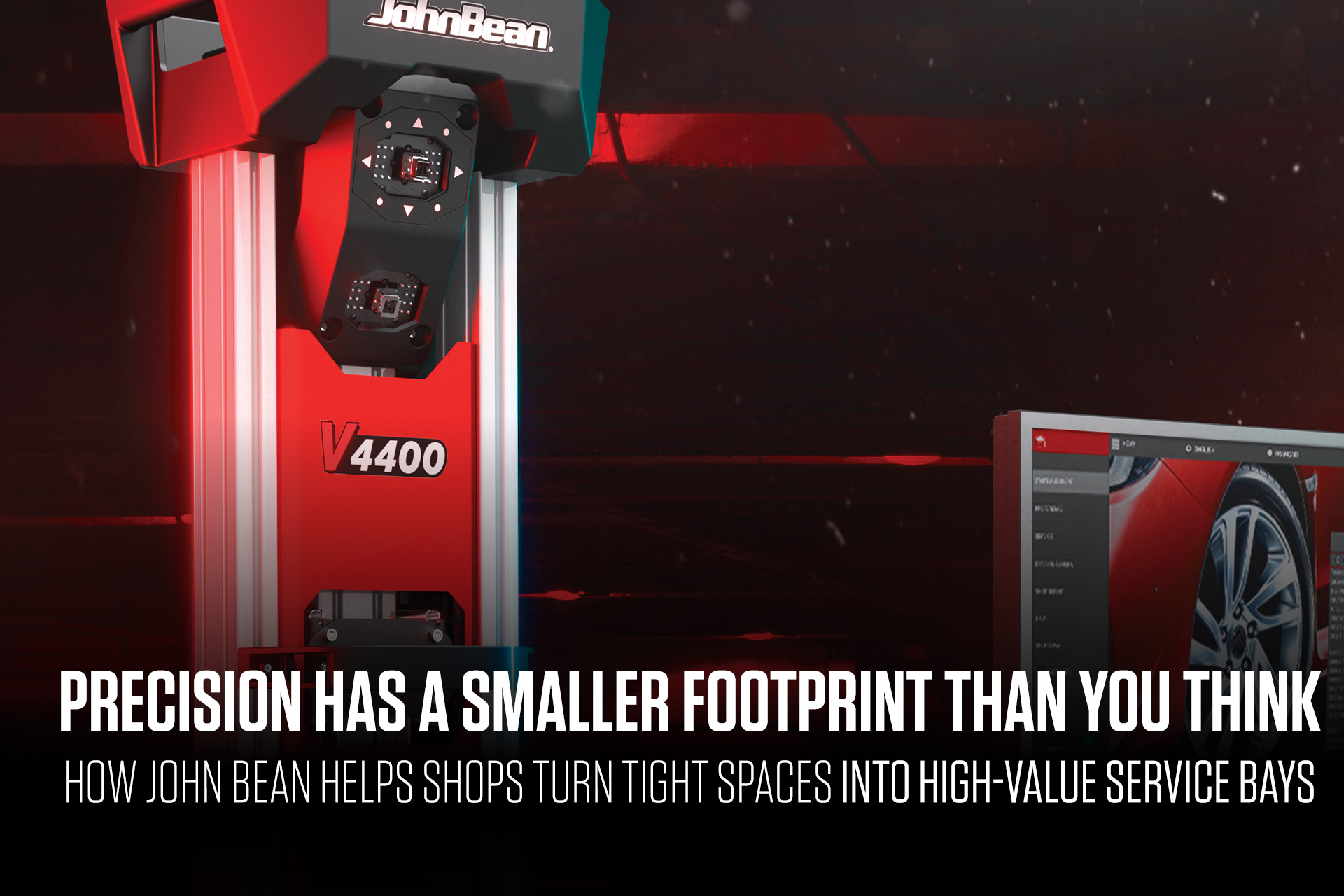 Precision Has a Smaller Footprint Than You Think How John Bean Helps Shops Turn Tight Spaces into High-Value Service Bays
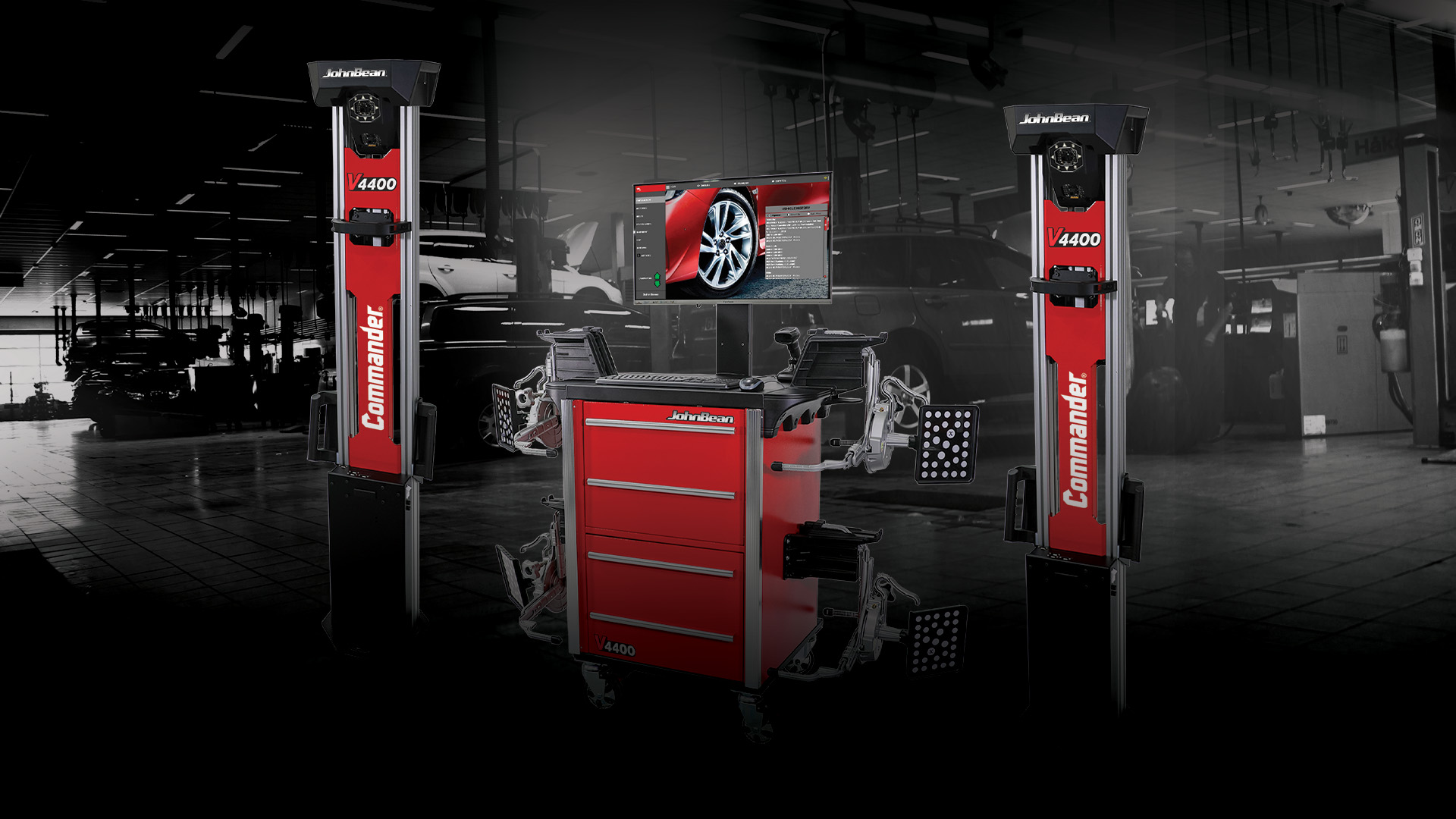 Next Generation Alignment: How the V4400 Commander™ Redefines Shop Efficiency
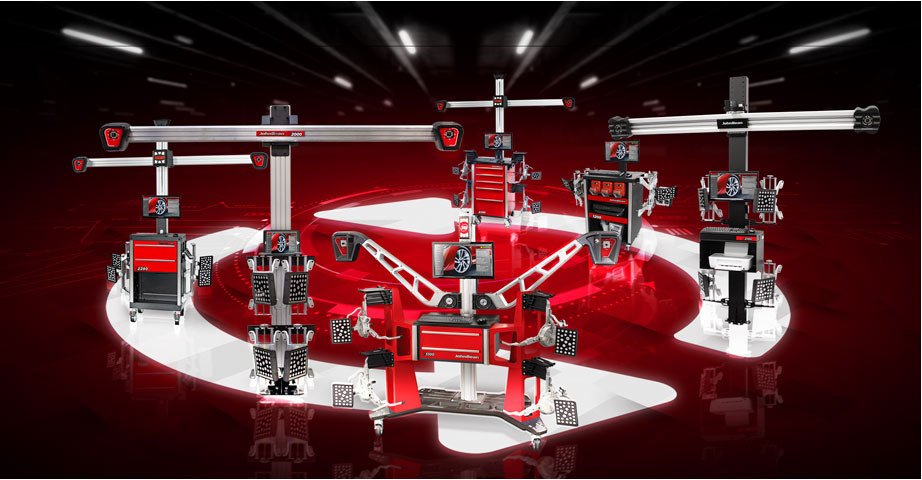 How Modern Wheel Alignment Machines Reduce Comebacks and Boost Shop Profitability
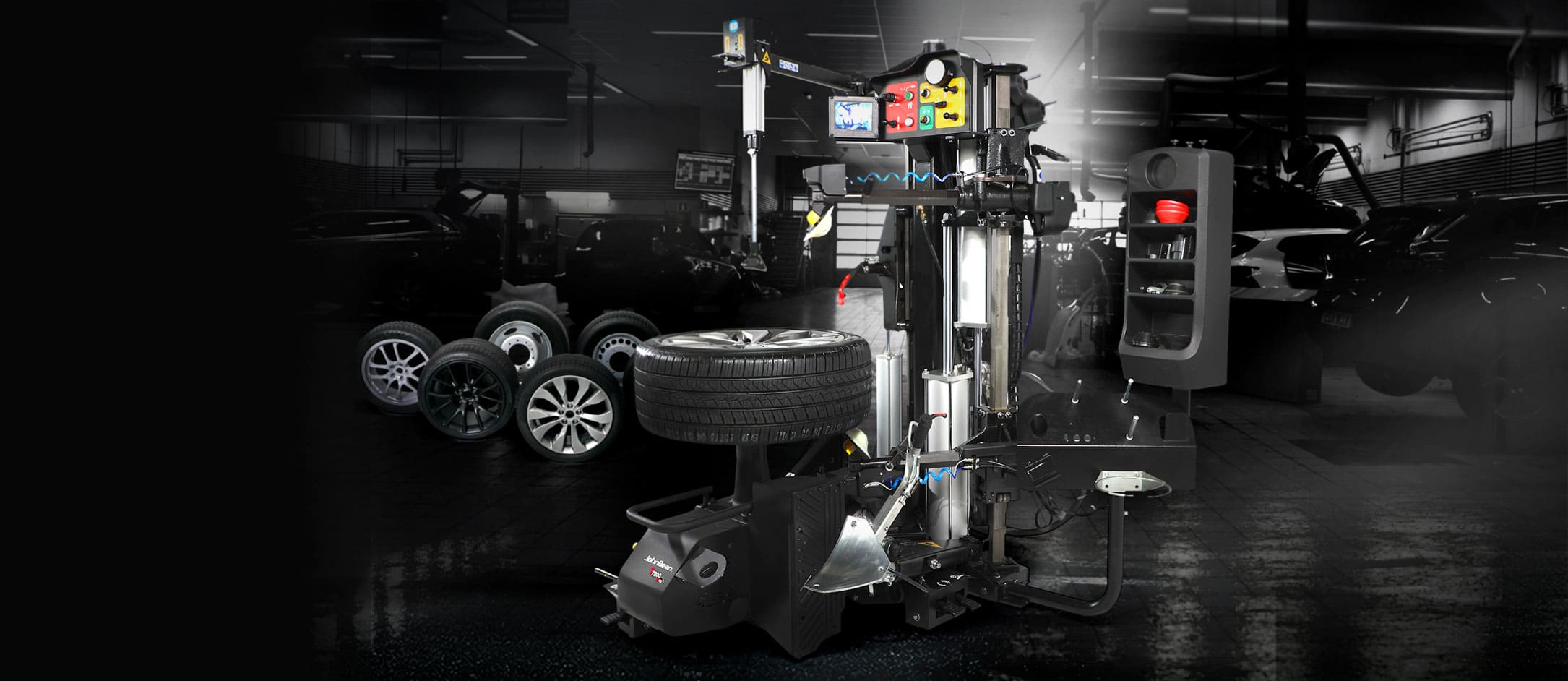 How the Right Tire Changer Increases Shop Efficiency and Customer Throughput
 Why Combo ADAS and Alignment Machines Hurt Shop Productivity