
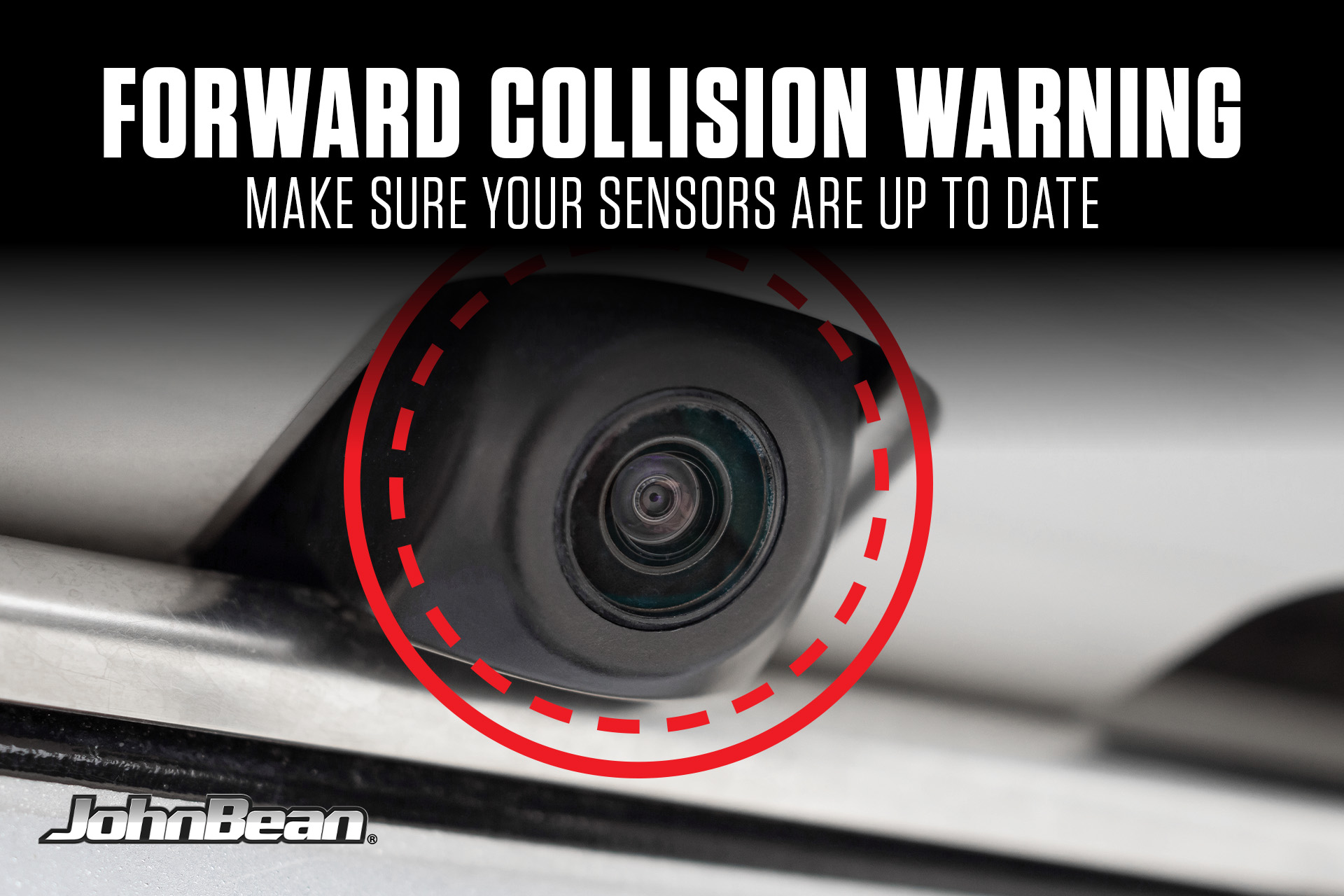
If you own a recent Hyundai Tucson or Santa Cruz, there’s a safety recall you’ll want to know about. Hyundai is recalling certain 2025–2026 vehicles to correct an issue with the Forward Collision Avoidance (FCA) system, the technology that helps your vehicle detect and respond to obstacles ahead.
The good news: the fix is a free software update performed at your Hyundai dealer, and in most cases it takes only a short visit. This article explains what the recall is about, how to find out if your vehicle is affected, and what you should do next.
What the Recall Is About
Forward Collision Avoidance is a driver-assistance feature designed to warn you of a potential front-end collision and, if needed, apply the brakes to help prevent or reduce the severity of a crash. It relies on a front-facing camera to read the road ahead.
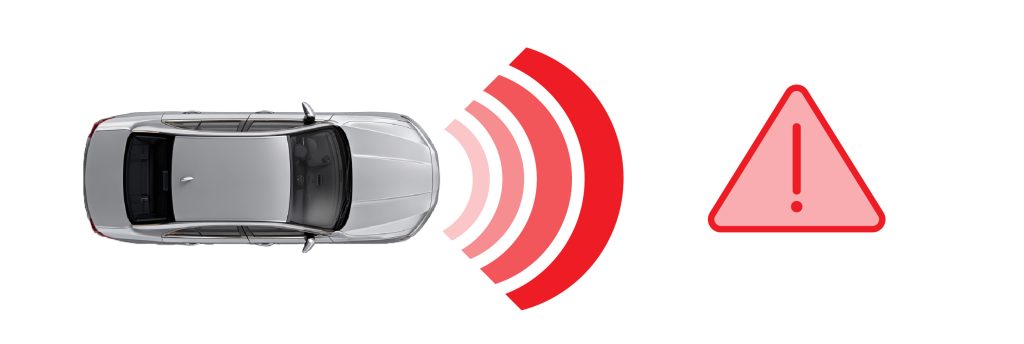
On the affected vehicles, the front camera software can make the FCA system overly sensitive to objects in front of the vehicle in certain driving situations. When that happens, the system may engage earlier than the driver expects, which can lead to sudden braking.
The concern is what that unexpected braking can cause. If a vehicle is following closely behind, sudden braking can increase the risk of a rear-end collision. The recall addresses this by updating the camera software so the system responds more in line with what drivers expect.
Which Vehicles Are Affected
The recall covers specific Hyundai models from the 2025 and 2026 model years:
- Tucson (gasoline)
- Tucson Hybrid
- Tucson Plug-in Hybrid
- Santa Cruz
It’s important to know that not every one of these vehicles is included. Only units built within certain production windows are part of the recall. Two vehicles of the same model and year could have different recall status depending on when each was manufactured.
Because of that, it’s best not to assume your vehicle is or isn’t affected based on the model and year alone. The most reliable way to find out is to check your specific vehicle, which only takes a minute.
How to Check if Your Vehicle Is Included
Every vehicle has a unique 17-character Vehicle Identification Number (VIN), and a VIN check is the surest way to confirm whether your vehicle is part of this recall. You can find your VIN on the lower corner of the windshield on the driver’s side, on your registration, or on your insurance card.
There are two simple ways to check:
- NHTSA recall lookup: Visit the National Highway Traffic Safety Administration’s recall tool at nhtsa.gov/recalls, enter your VIN, and it will show any open recalls for your vehicle.
- Hyundai owner page: Hyundai also offers a recall lookup through its owner resources at hyundaiusa.com.
In addition, Hyundai will mail an official notification to the registered owners of affected vehicles. If you receive that letter, it confirms your vehicle is included and explains how to schedule the repair.
What the Fix Involves
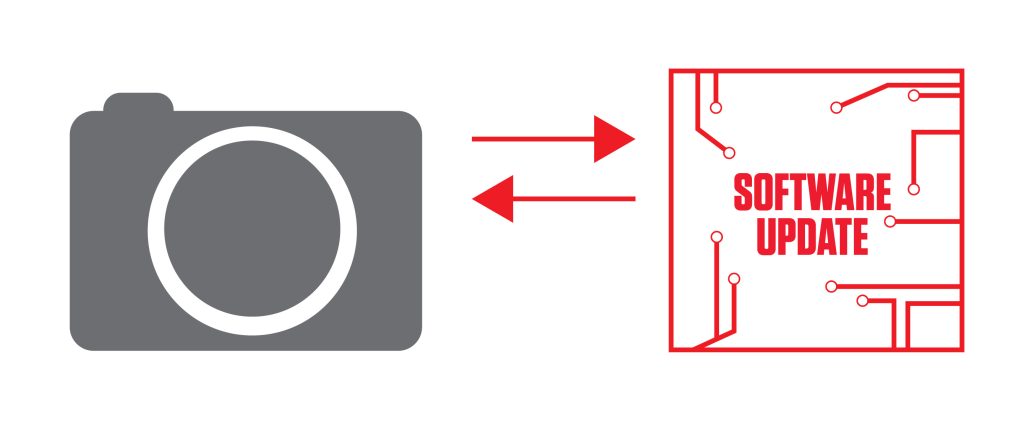
The remedy for this recall is a software update to the front camera that controls the FCA system. A dealer technician connects to the vehicle and reprograms the camera software with the corrected version. In the large majority of cases, that’s all that’s needed, and no parts are replaced.
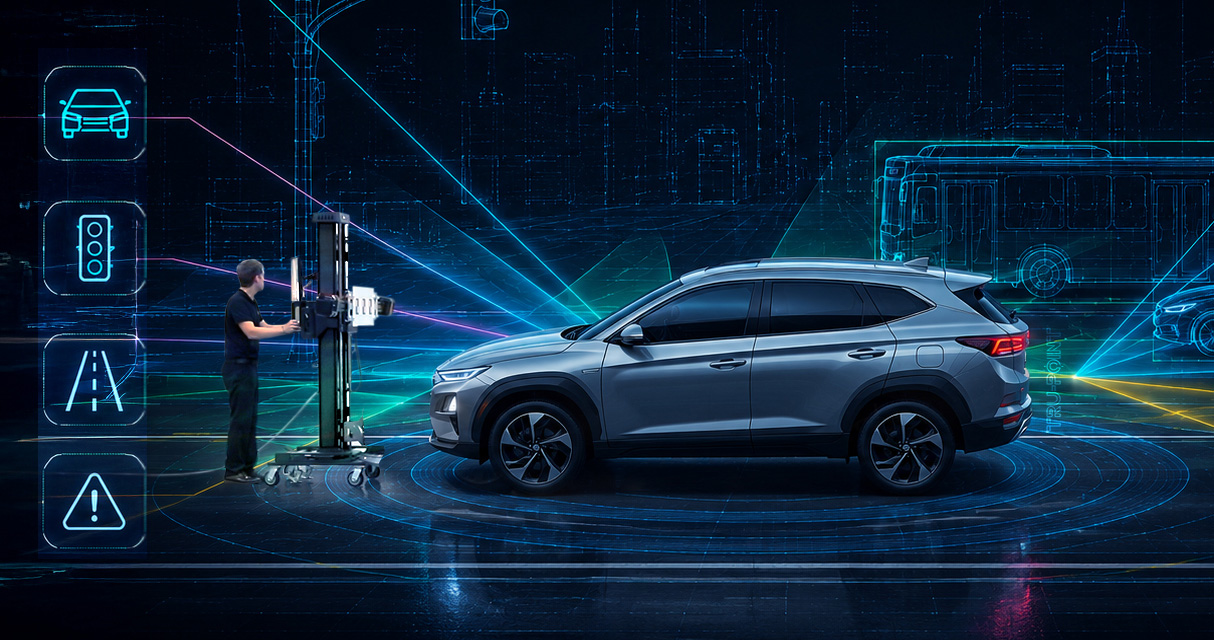
In a limited number of cases, the vehicle may also need a front camera calibration to make sure the camera is reading the road correctly after the update. Because the camera relies on the vehicle sitting and steering exactly to factory specifications, an accurate calibration may not be performed unless the wheel alignment is correct first. If your vehicle’s alignment is out of spec, the dealer may need to perform a wheel alignment before calibrating the camera, so that the system is set against a properly aligned vehicle. Your dealer will determine whether either step applies to your vehicle.
Most importantly, this repair is performed free of charge. Safety recall work is provided at no cost to the owner, regardless of where you bought the vehicle or whether it’s still under warranty.
What Drivers Should Do in the Meantime
Your Tucson or Santa Cruz remains drivable while you wait for the update, but it’s worth being a little extra attentive in the meantime. Stay aware of how the braking system behaves, keep a safe following distance, and remember that the vehicles behind you may not expect a sudden stop.
Once you’ve confirmed your vehicle is affected, the best move is to schedule the update with your dealer promptly rather than putting it off. It’s a quick fix for an important safety system. It’s also worth noting that dealers are required to complete any open recalls whenever your vehicle is in the shop, so if you have a service appointment coming up, the update can often be handled at the same time.
Why Addressing Recalls Matters
Safety recalls exist to correct problems that could affect how your vehicle protects you and the people around you. Even when a vehicle seems to be running fine, an open recall points to something the manufacturer has identified as worth fixing, and the systems involved are often the ones that matter most in a critical moment.
This particular repair is free, generally fast, and addresses a system designed to help you avoid collisions. If you drive a 2025–2026 Hyundai Tucson, Tucson Hybrid, Tucson Plug-in Hybrid, or Santa Cruz, take a minute to check your VIN, and if your vehicle is included, schedule the software update with your dealer. It’s a small step that keeps an important safety feature working the way it should.
 EV Wheel Service: What’s Different and How to Prepare Your Bay
  Vehicle Stopping Distance: Why Technology Reacts Faster Than You Do and Why Calibration Keeps It That Way
 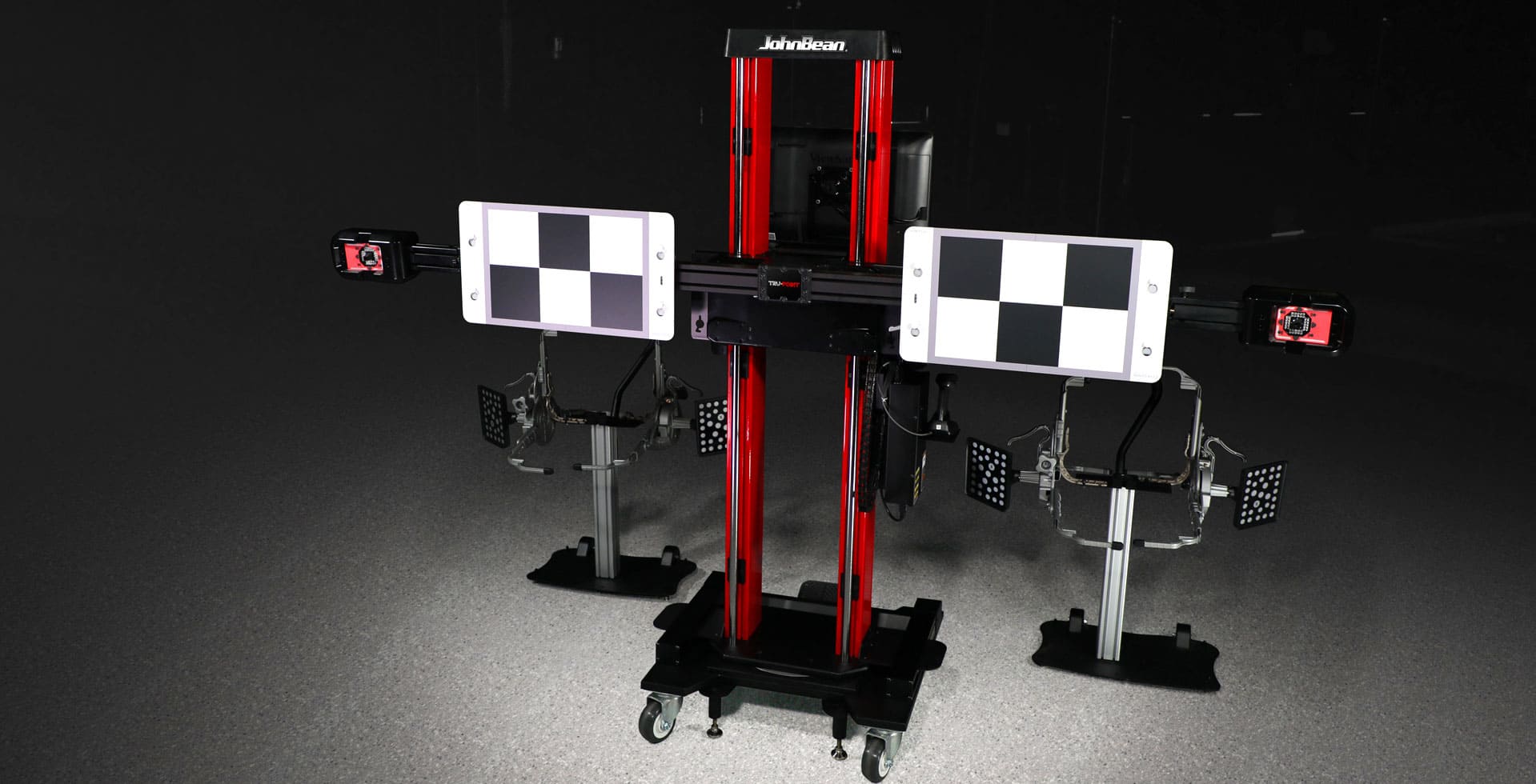 How to Choose the Right ADAS Calibration Targets for Your Business
  Before You Calibrate Anything, Check Setup. How Errors Undermine Even the Best ADAS Calibration Systems
  Precision Has a Smaller Footprint Than You Think How John Bean Helps Shops Turn Tight Spaces into High-Value Service Bays
  Next Generation Alignment: How the V4400 Commander™ Redefines Shop Efficiency
  How Modern Wheel Alignment Machines Reduce Comebacks and Boost Shop Profitability
  How the Right Tire Changer Increases Shop Efficiency and Customer Throughput
  Why Combo ADAS and Alignment Machines Hurt Shop Productivity