
EV adoption is reshaping what rolls into your bay. The change is not the one most shops brace for.
You do not need a separate class of tire changer or balancer to service an electric vehicle. In North America today, the work on the tire changer and wheel balancer generally follows the same fundamentals as other passenger and light-truck applications. Some EV applications may add details such as aero covers, premium wheel finishes, low-profile tires, acoustic foam, or OEM-specific service instructions.
What changes is the level of attention required when tire and wheel service comes into the bay, especially around tire wear, balance quality, wheel protection, and technician handling.
What Actually Changes
The Work Returns More Often
EV weight and instant torque wear tires faster and less evenly than a comparable gas vehicle. Regenerative braking pushes much of the braking load onto the driven axle, which skews wear front to rear.
The customer comes back sooner, and comes back more often, for rotation, balancing, and alignment. That is the real EV opportunity: recurring service revenue from vehicles that need your bay on a shorter cycle.
The Margin for Error Is Thinner
Take the engine out of a car and the driver starts hearing everything else. Tire noise, road texture, and suspension boom all climb the list of things a customer notices. A slight imbalance that a running engine used to mask turns into a complaint in an EV.
Your standard has not changed. The customer’s ability to detect a miss has. Balance quality that passed quietly on a sedan will generate a comeback on an EV.
The Wheel and Tire Ask for More Care
Many EVs run aero covers that come off before the wheel reaches the machine and go back on without broken clips or scuffed faces. EV wheels trend toward large diameters, low profiles, and premium finishes that show every mark. Some EV tires carry acoustic foam bonded to the inner liner to quiet the cabin, which changes how a technician inspects and repairs them.
None of this calls for a different machine. All of it calls for a machine that will not mark a finish, and a technician who knows what is inside the tire before cutting into it.
The Vehicle Is Watching
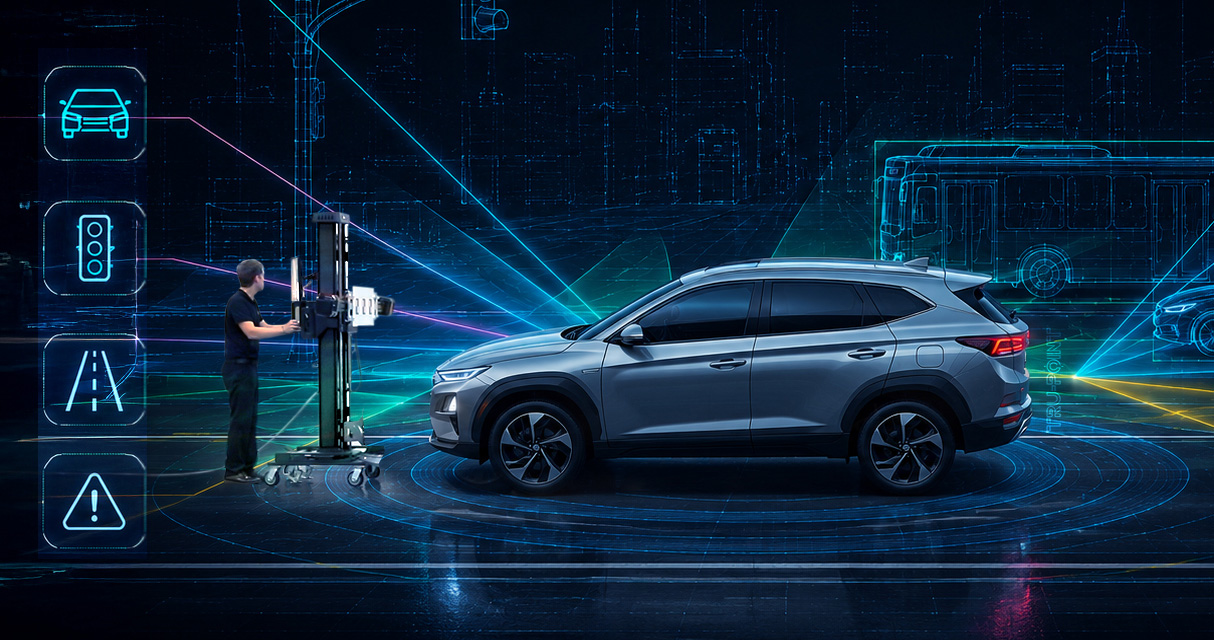
EVs carry dense ADAS sensor packages. Alignment work and sensor calibration are tightly linked, which means a job that ends at the alignment rack may not actually be finished.
What Doesn’t Change
This is worth stating plainly, because plenty of the noise in this market suggests otherwise.
- The procedure. Mounting, demounting, balancing, and aligning an EV follows the same fundamentals as any other vehicle.
- Your capacity. The battery pack sits on the vehicle floor, not on your balancer shaft. An EV’s curb weight never transfers to the wheel assembly you clamp. EV wheels can run larger than a compact car’s, but they sit comfortably inside the range that any machine already handling trucks and performance cars covers.
- The need for an “EV machine.” There isn’t one. What separates an EV-ready bay is not a bigger machine. It is a better one.
Choosing the Right Equipment for Your Shop
If capacity is not the deciding factor, what is? Three things: diagnostic precision, finish protection, and whether your equipment connects alignment to calibration.
Wheel Balancers
The quiet EV cabin removes your customer’s tolerance for vibration, so diagnosing why an assembly vibrates matters more than reporting that it does. Select for:
- Diagnostic depth: the ability to separate a true imbalance from a runout or seating problem, so a technician solves a vibration instead of chasing it with weights
- Repeatable clamping: the same result on every spin, every time
- Finish protection: weight placement that stays out of sight on a premium wheel
- Workflow speed: automatic setup that keeps a higher-frequency service from eating your bay time
The John Bean wheel balancer line is built around exactly that, with the B1200P Automatic Diagnostic Wheel Balancer at the top:
- Power Clamp™ applies constant electromechanical clamping force, so the measurement conditions repeat.
- Radial and lateral runout measurement diagnoses assembly uniformity from the first to the third harmonic, which finds the cause of a vibration instead of masking it.
- easyWeight™ places weights by laser, and automatic spoke detection with Split Weight Mode hides them behind spokes to protect a premium finish.
- Automatic data entry and SmartSonar™ read the wheel and set the balancing mode, weight type, and position without technician input.
Tire Changers
Premium finishes and stiff, low-profile construction put the risk on the wheel, not the machine. Select for:
- Damage-free clamping and leverless tooling that never touches a finish it can mar
- Bead handling built for stiff, low-profile, and run-flat construction
- Lift assist that spares your technicians on repetitive, higher-volume work
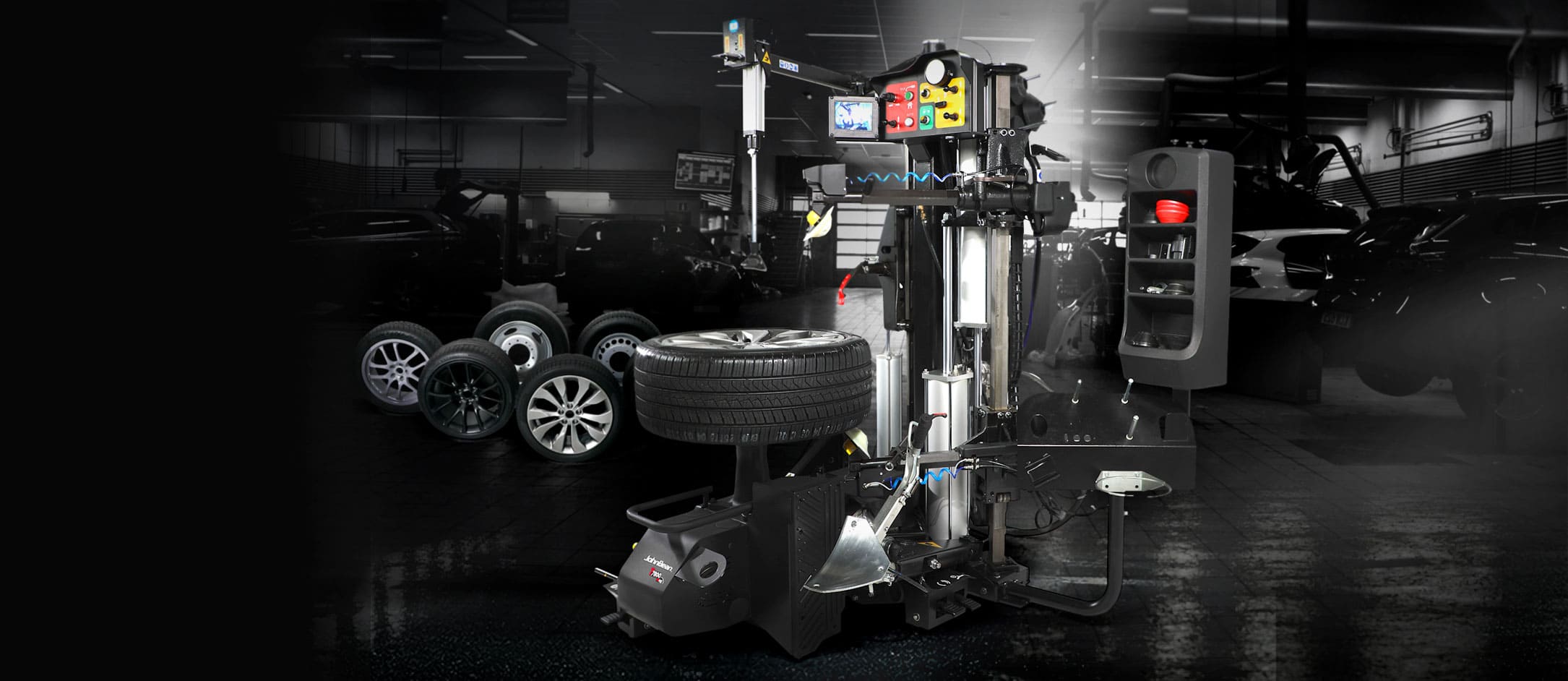
The John Bean tire changer line delivers all three, led by the T7800 leverless all-in-one tire changer:
- quickLOK™ electromechanical clamping grips a wide variety of wheels firmly without wheel protection.
- powerMONT™ leverless mounting and demounting handles run-flat, ultra-high-performance, and low-aspect-ratio tires with upgraded protection against wheel damage.
- The Optimum Bead Breaker System pairs a dynamic bead breaker for run-flat and low-aspect tires with an on-floor bead breaker for standard tires.
- A pneumatic wheel lift and bead pusher cut technician fatigue on repetitive work.
- Tesla is among the OEMs that trust the T7800, alongside GM, Hyundai, Kia, Mercedes-Benz, and Volvo.
Wheel Aligners and ADAS Calibration
Poor alignment carries a steeper penalty on an EV. Continuous torque and regenerative braking magnify the cost of even a small misalignment, and the bill lands on tire life, range, and safety. An EV that pulls slightly scrubs rubber every mile the customer drives.
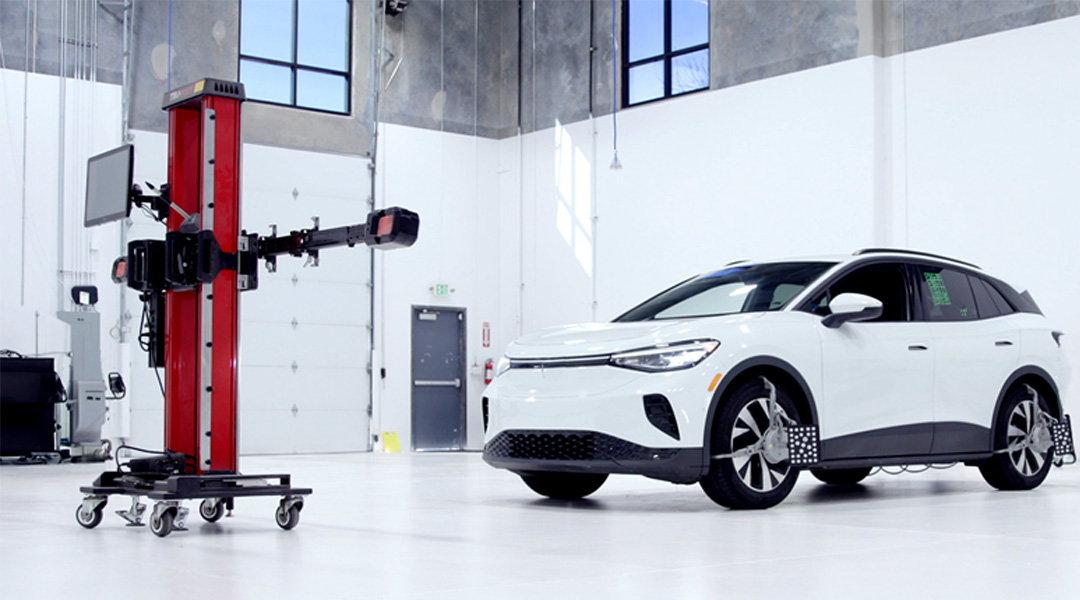
John Bean imaging wheel aligners measure that quickly and precisely. The V4400 Commander uses a dual-tower camera system and D2 Max™ technology to map the vehicle’s real-world drive direction, delivering the repeatability that keeps vehicles from returning as comebacks. An integrated “Compensate-Warn-Alert” feature keeps the technician informed of lift issues, suspension issues, or wheel/tire issues that may be present before even starting the alignment process.
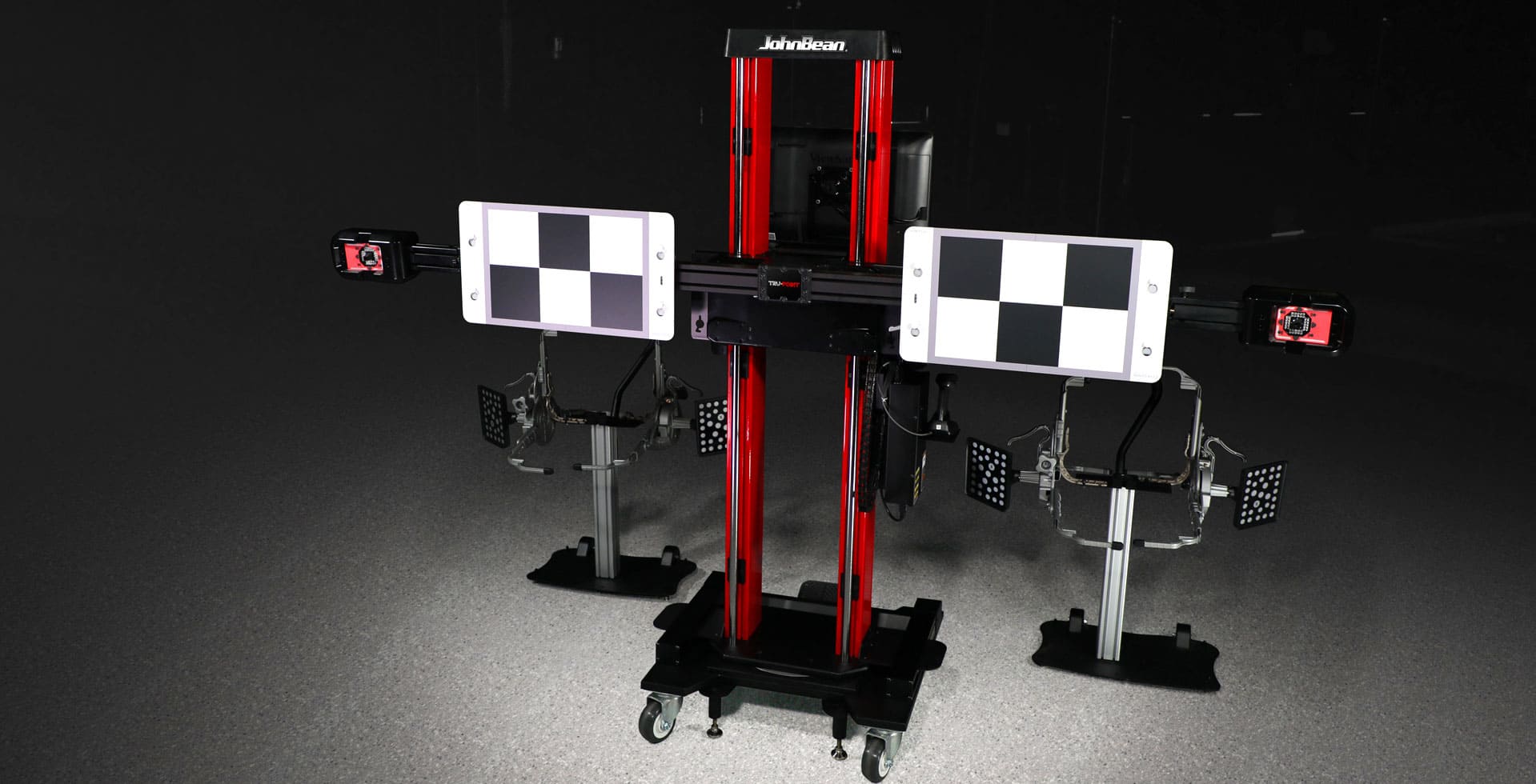
Because EVs carry so many sensors, alignment and calibration are tied closely together. Shift the thrust line, and forward cameras and radar reference the wrong centerline. The John Bean Tru-Point™ ADAS calibration system pairs with your alignment work and opens a high-value service most shops cannot offer, with full 3D measurement, continuous target monitoring to OEM standards, and documented validation reports.
Build Your EV-Ready Bay with John Bean
The shops that keep EV work will not be the ones that bought a special machine. They will be the ones that service these vehicles to the standard their owners can now hear.
EVs return to the bay on a shorter cycle than gas vehicles. That makes precision equipment a long-term revenue investment rather than a one-time upgrade.
John Bean sparked a revolution in 1925 with the invention of the world’s first wheel aligner, then introduced the first dynamic wheel balancer in 1934. A century of precision engineering applies directly to what EV service demands today.
Explore John Bean wheel balancers, tire changers, wheel aligners, and ADAS calibration systems, or contact your local John Bean representative to build the right EV-ready package for your shop.
 Vehicle Stopping Distance: Why Technology Reacts Faster Than You Do and Why Calibration Keeps It That Way
  Hyundai Recall 302: FCA Software Update for Tucson and Santa Cruz
  How to Choose the Right ADAS Calibration Targets for Your Business
 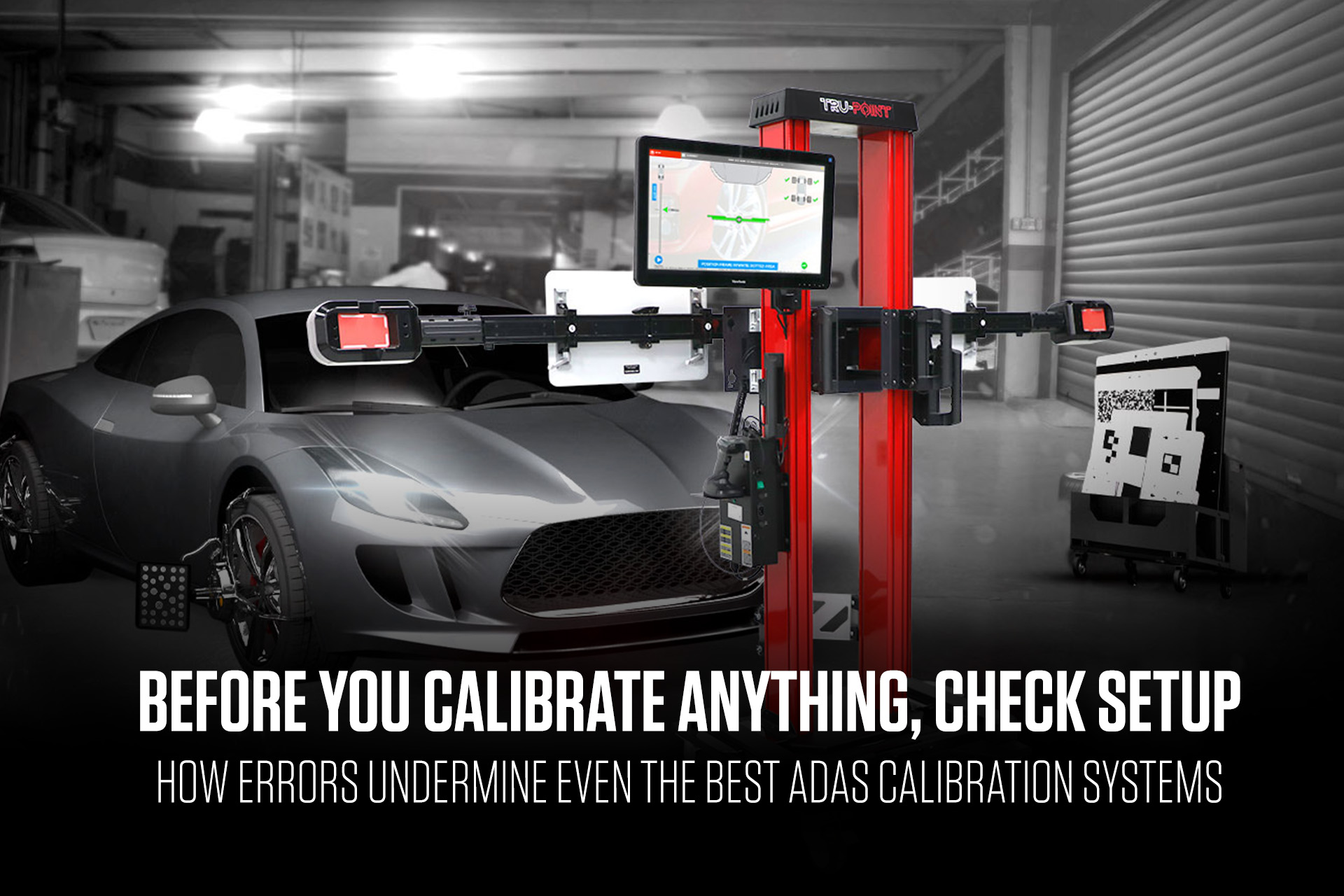 Before You Calibrate Anything, Check Setup. How Errors Undermine Even the Best ADAS Calibration Systems
 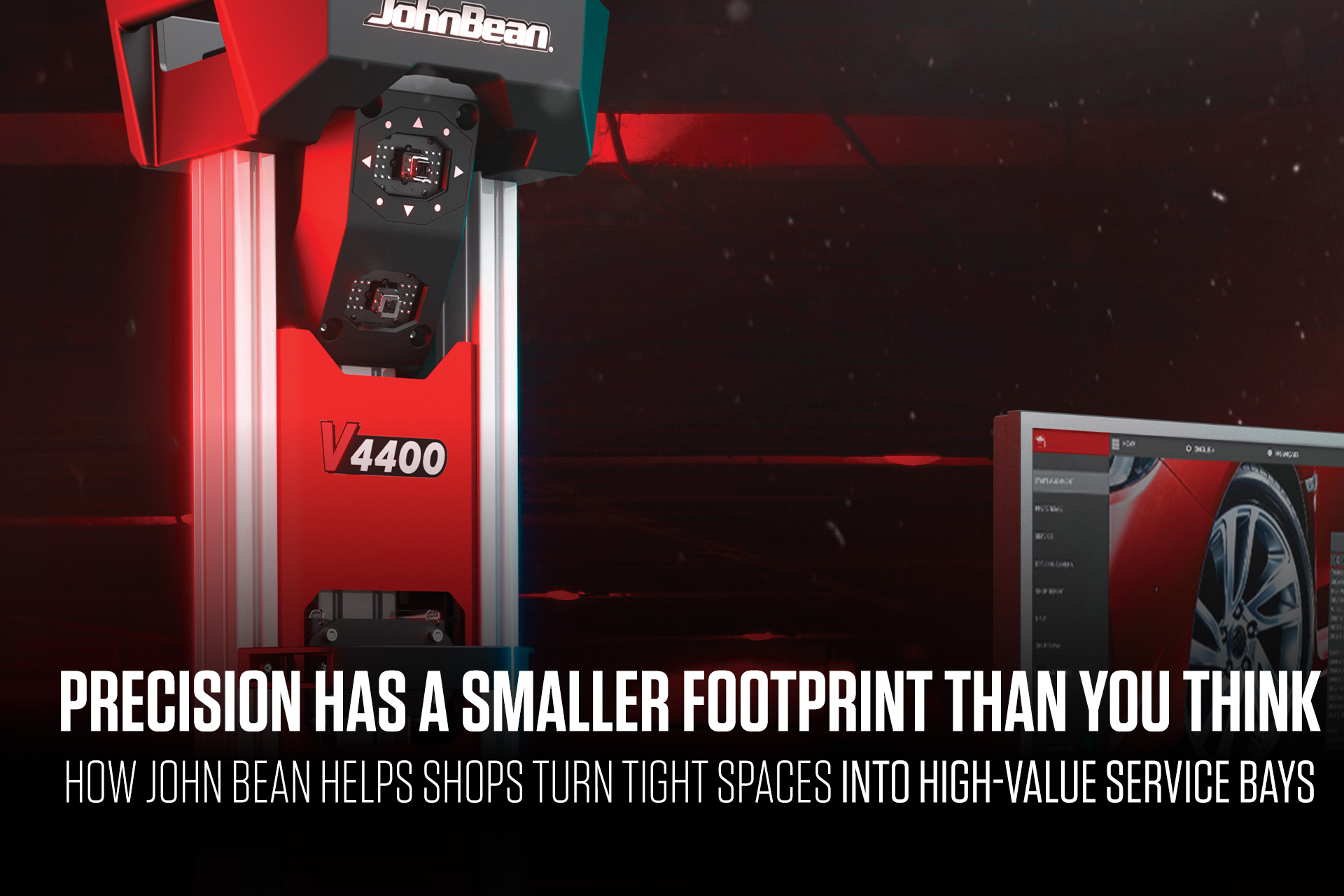 Precision Has a Smaller Footprint Than You Think How John Bean Helps Shops Turn Tight Spaces into High-Value Service Bays
 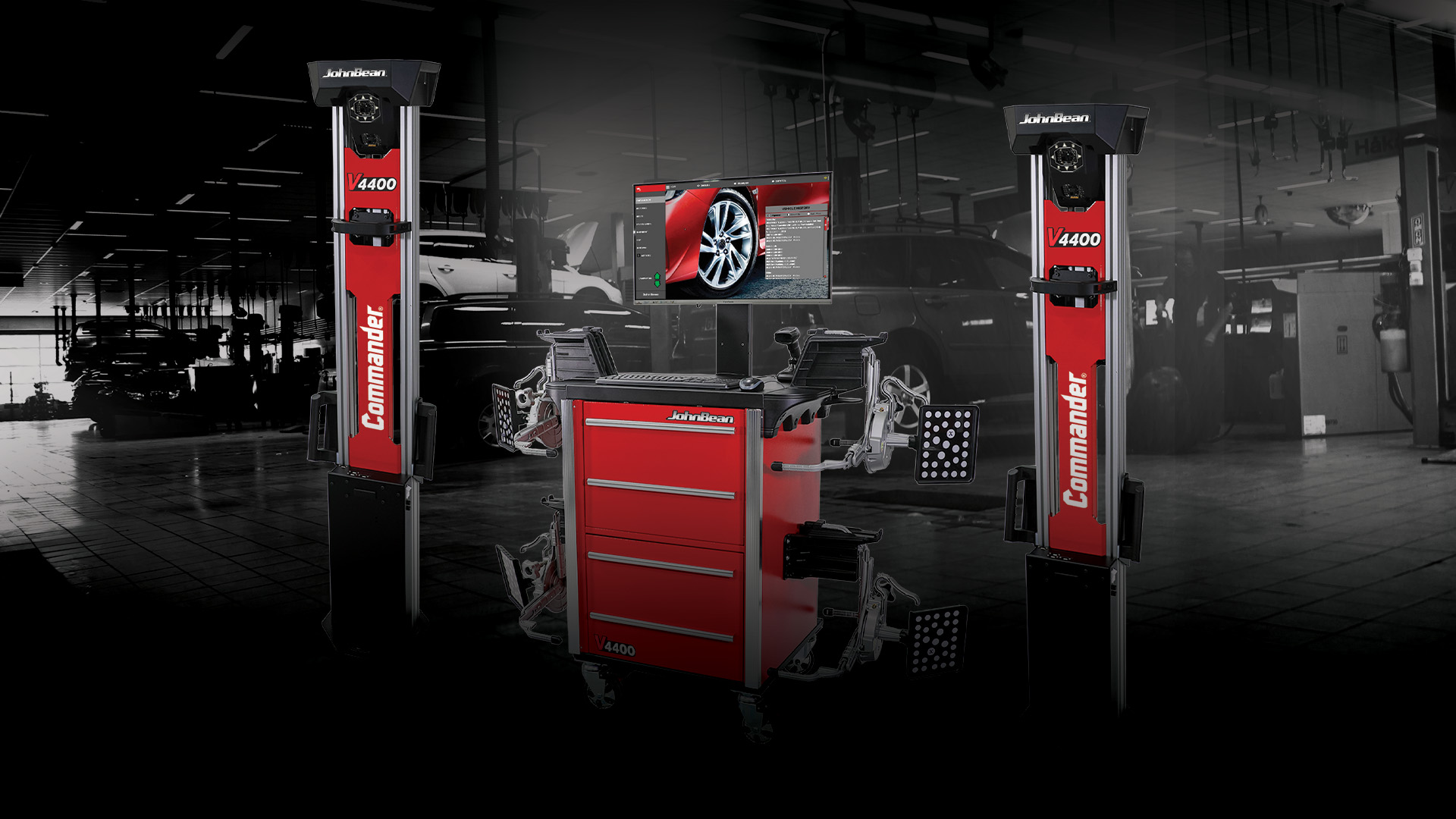 Next Generation Alignment: How the V4400 Commander™ Redefines Shop Efficiency
 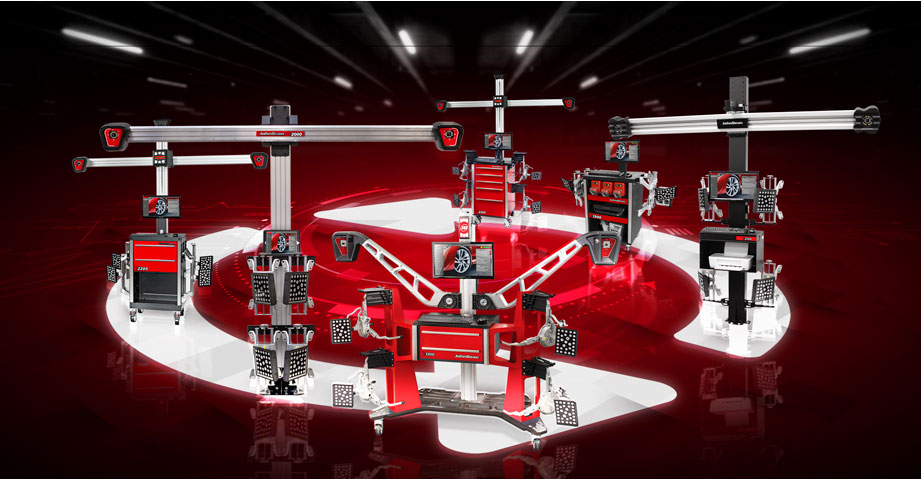 How Modern Wheel Alignment Machines Reduce Comebacks and Boost Shop Profitability
  How the Right Tire Changer Increases Shop Efficiency and Customer Throughput
  Why Combo ADAS and Alignment Machines Hurt Shop Productivity