
Every stop has two phases. The reaction phase runs from the moment a hazard appears to the moment the brakes engage. The braking phase runs from brake engagement until the vehicle comes to rest.
Physics governs the second phase. Biology governs the first, and that is where human drivers and vehicle technology diverge most dramatically. Automatic Emergency Braking has compressed the reaction phase from seconds to milliseconds.
That advantage holds only when the sensors behind it stay properly calibrated. This article covers the physics of stopping distance, the math behind the human-versus-technology gap, and what happens to that gap when sensors fall out of alignment.
How Stopping Distance Is Calculated
Total stopping distance breaks into two measurable parts:
Total Stopping Distance = Reaction Distance + Braking Distance
- Reaction distance: the ground a vehicle covers from the moment a hazard appears to the moment the brakes engage
- Braking distance: the ground a vehicle covers while decelerating to a complete stop
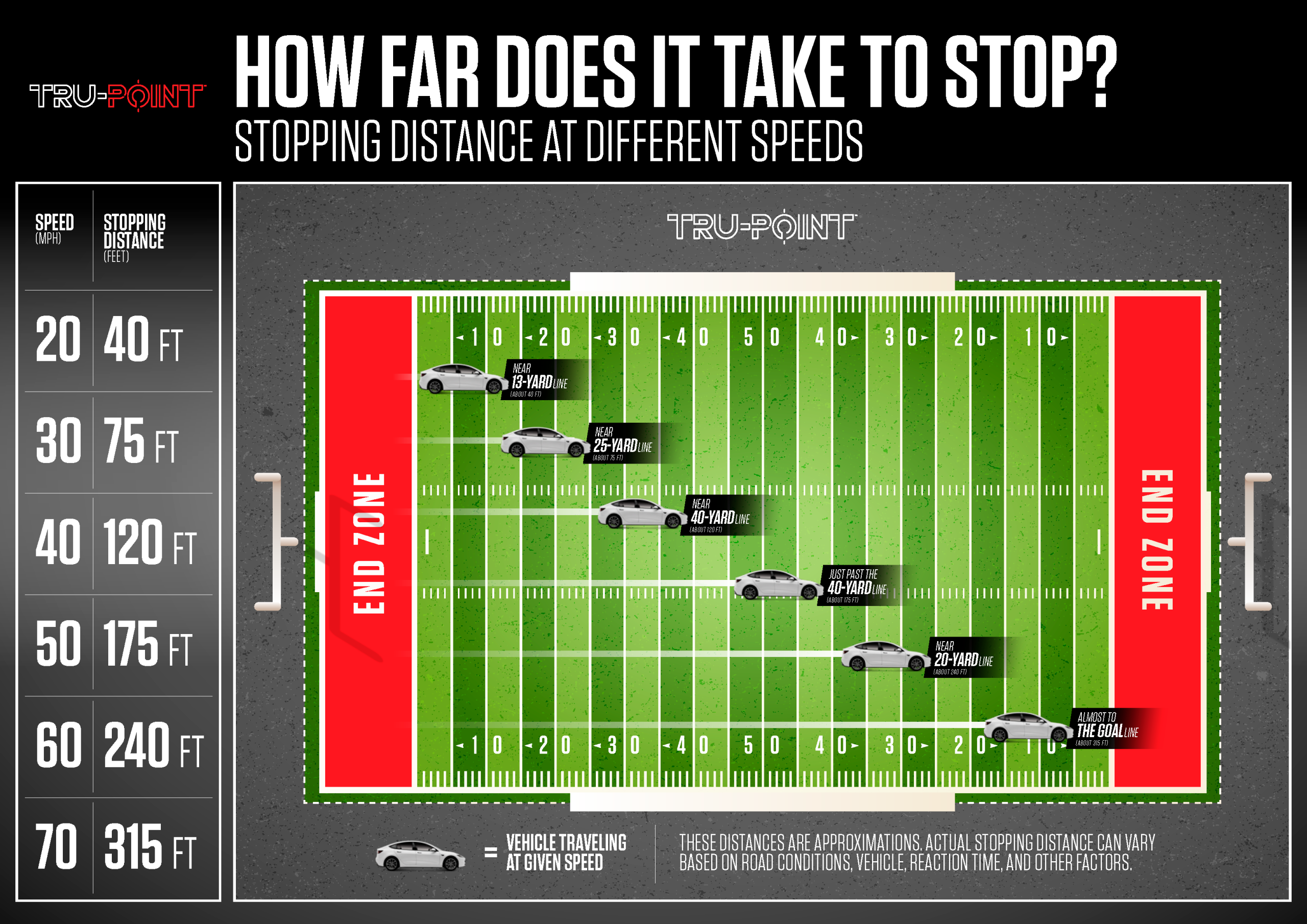
At 60 mph, a vehicle travels 88 feet every second. A half-second delay adds 44 feet of roadway before the brakes perform any work at all.
Any claim about stopping performance means little until you separate these two phases, because each one responds to completely different inputs. One answer is perception and processing speed. The other answers to weight and friction.
The Reaction Phase: Human vs. Technology
This is the window where AEB and a human driver diverge most sharply.
Human Reaction Time
The human reaction chain runs through four steps. The eyes detect the hazard. The brain processes the visual input. A signal travels to the foot. The foot depresses the brake pedal. Every link costs time.
- Perception time:75 to 1.75 seconds for an alert driver under normal conditions
- Mechanical response: roughly 0.75 seconds more to move the foot to the pedal
- Total human reaction delay:5 to 2.5 seconds on average
Fatigue, distraction, or impairment pushes that figure well beyond 3 seconds.
AEB Technology Reaction Time
Cameras and radar monitor closing speed and time-to-collision continuously. The system never looks away, so it never has to notice anything.
- Perception is effectively instantaneous. No biological processing delay applies.
- Electronic signals trigger the brakes directly. No foot has to travel anywhere.
- Total AEB reaction delay:1 to 0.5 seconds
The Real-World Distance Gap at 60 mph
Run those numbers against 88 feet per second:
- Alert driver at 1.5 seconds: 132 feet of travel before braking begins
- Fatigued or distracted driver at 2.5 seconds: 220 feet before braking begins
- AEB system at 0.2 seconds: roughly 17.6 feet before braking begins
Technology saves more than 100 feet of roadway. That distance is frequently the exact margin between a near miss and a rear-end collision.
| Metric | Human Driver | AEB Technology |
| Perception time | 0.75 to 1.75 seconds | Effectively instantaneous |
| Mechanical reaction | ~0.75 seconds (foot to pedal) | None (electronic signal to the brakes) |
| Total reaction delay | 1.5 to 2.5 seconds | 0.1 to 0.5 seconds |
| Reaction distance at 60 mph | 132 to 220 feet | 9 to 44 feet |
The Braking Phase: Where Physics Takes Over
Once the brakes engage, technology and human drivers face identical constraints. Kinetic energy and the friction coefficient between tire and road determine braking distance. Reaction speed stops mattering the instant the calipers close.
Variables That Determine Braking Distance
- Vehicle weight: heavier SUVs and commercial trucks carry more kinetic energy and need significantly more distance to stop
- Road surface: wet, oily, or icy pavement lowers the friction coefficient and extends braking distance
- Tire condition: worn tread and low tire pressure reduce grip on any surface
What ABS Does and Doesn’t Do
Anti-lock Braking Systems prevent wheel lockup and skidding, which preserves steering control under hard braking. ABS cannot manufacture traction that doesn’t exist. On ice, even instant AEB activation will not produce a short stop.
Brake Assist addresses a different human limitation in this phase. Many drivers hit the pedal fast in an emergency but fail to press hard enough or release too early. Brake Assist detects the panic stop and applies maximum braking pressure, reducing stopping distances by up to 20% in emergency situations.
The key insight holds regardless: a faster reaction is only as valuable as the available friction allows.
How ADAS Makes Your Vehicle Safer Around Stopping
AEB is one feature inside a larger ecosystem of sensor-driven systems. Each layer intervenes at a different point on the hazard-to-stop timeline.
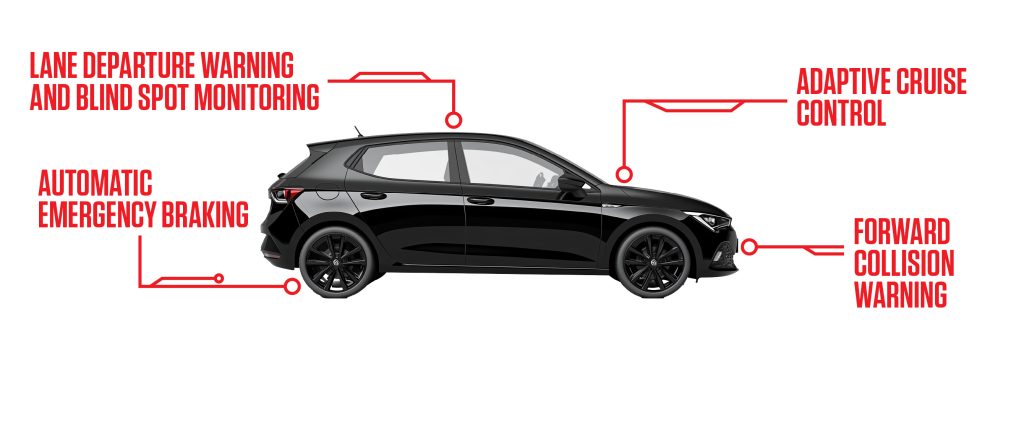
Forward Collision Warning (FCW)
FCW alerts the driver before AEB activates, giving them the first opportunity to brake manually. The warning effectively compresses the human perception delay by delivering the hazard signal instead of waiting for the driver to spot it.
Automatic Emergency Braking (AEB)
AEB activates autonomously when a collision becomes imminent and the driver has not responded. It proves most effective in highway-speed rear-end scenarios. Front and rear variants address both forward and reverse collision risk.
Adaptive Cruise Control (ACC)
ACC manages following distance continuously, keeping the vehicle inside a safe reaction window rather than waiting for a hazard to develop. Fewer emergency braking situations arise in the first place.
Lane Departure Warning and Blind Spot Monitoring
These systems prevent the scenarios that create new collision vectors, including unintentional drift and unsafe lane changes. Each warning layer reduces the probability that a situation ever reaches the braking phase.
The layers stack: early warning, then driver alert, then autonomous intervention. Collision probability drops at every stage.
The Hidden Variable: Why ADAS Calibration Determines Whether Any of This Works
Every ADAS sensor ships with a designed field of view, a detection range, and an angular tolerance measured in fractions of a degree. Knock a camera or radar unit out of position, and it perceives the road differently than the system expects. That mismatch produces late detections, false triggers, or no activation at all.
The vehicle gives no obvious warning. It drives normally with a clean dashboard while its safety systems run degraded or disabled.
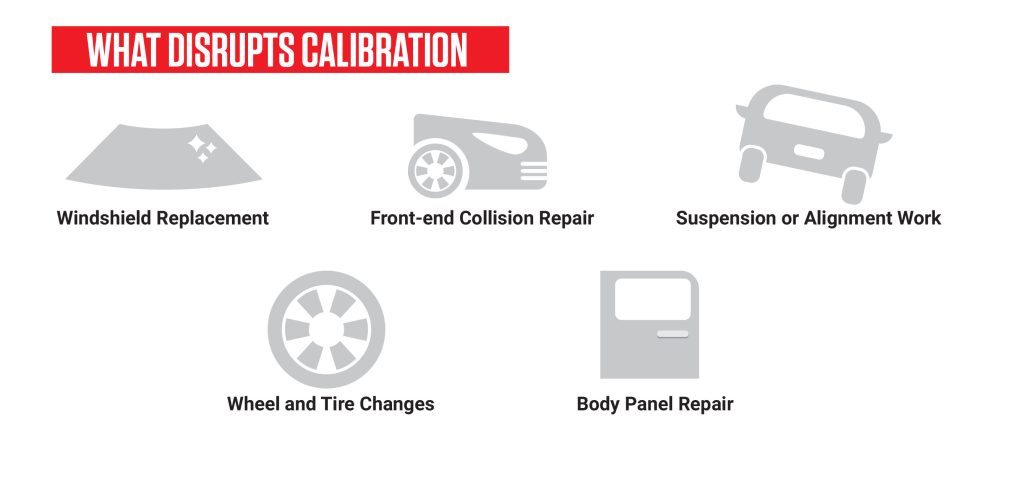
Common Events That Disrupt Calibration
- Windshield replacement, since most forward-facing cameras mount directly to the glass
- Front-end collision repair, where even minor impacts shift sensor mounting positions
- Suspension or alignment work that changes ride height and therefore camera angle
- Wheel and tire changes, particularly any that affect ride height
- Body panel repair involving sensor brackets or mounting hardware
Static vs. Dynamic Calibration
Static calibration takes place in a controlled shop environment, using precision calibration targets positioned at OEM-specified distances. Dynamic calibration takes place during a test drive, letting the system calibrate against real-world lane markings. Many vehicles require both procedures after certain repairs. Our complete guide to ADAS calibration walks through each in detail.
The Real Consequence of Skipping Calibration
An AEB system with even minor angular misalignment may detect a hazard 50 milliseconds later than designed. Measured against a 0.2 second reaction time, that is a 25% penalty on the one phase technology was built to win.
FCW warnings fire too late or never fire at all, which removes the driver’s opportunity to respond first. The stopping distance gap between technology and human reaction narrows. Push the misalignment far enough, and it disappears.
Conclusion: The Full Safety Chain
Stopping distance is a two-phase equation. Technology transforms the reaction phase. Physics governs the braking phase, and no sensor package changes that.
In the phase it can control, ADAS replaces a 1.5 to 2.5 second human delay with a 0.1 to 0.5 second electronic response, saving more than 100 feet of roadway at highway speeds. A vehicle keeps that advantage only when its sensors are calibrated correctly after every relevant repair event.
Proper ADAS calibration is not optional maintenance. It is the final step in restoring a vehicle’s designed safety performance.
Shops ready to deliver that service can explore John Bean ADAS calibration systems and wheel alignment machines, or contact a local John Bean representative to find the right fit for their bay.
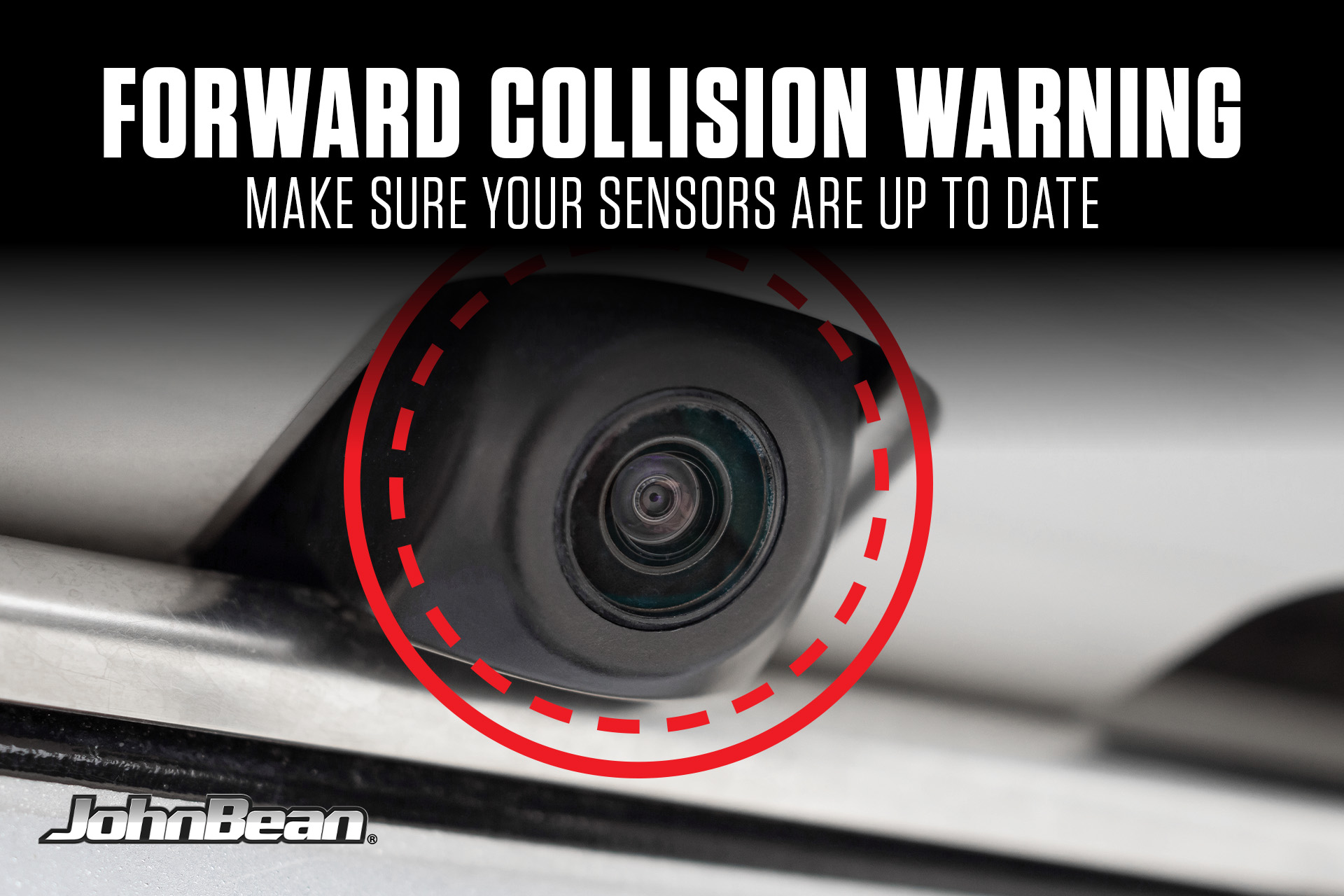 Hyundai Recall 302: FCA Software Update for Tucson and Santa Cruz
 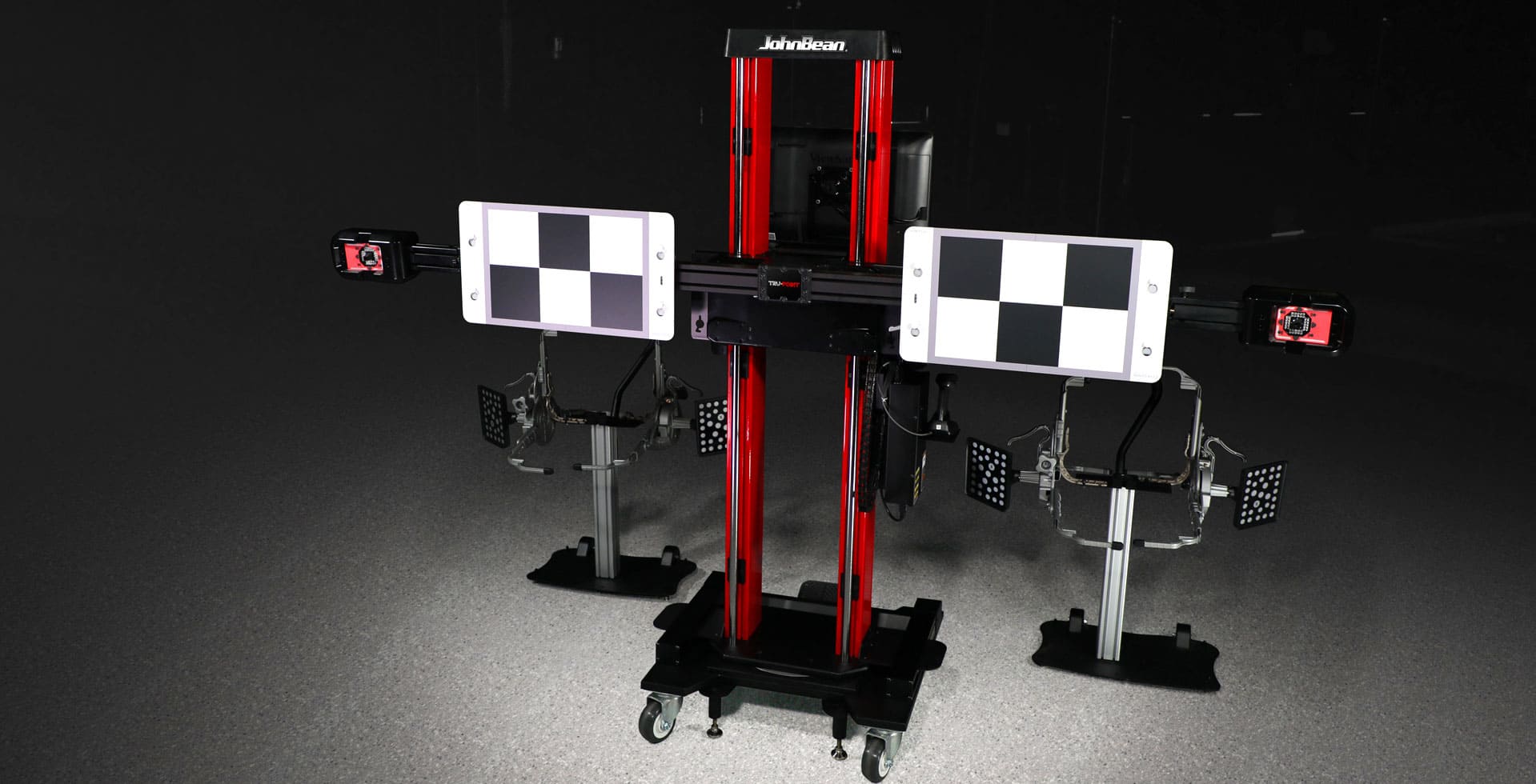 How to Choose the Right ADAS Calibration Targets for Your Business
 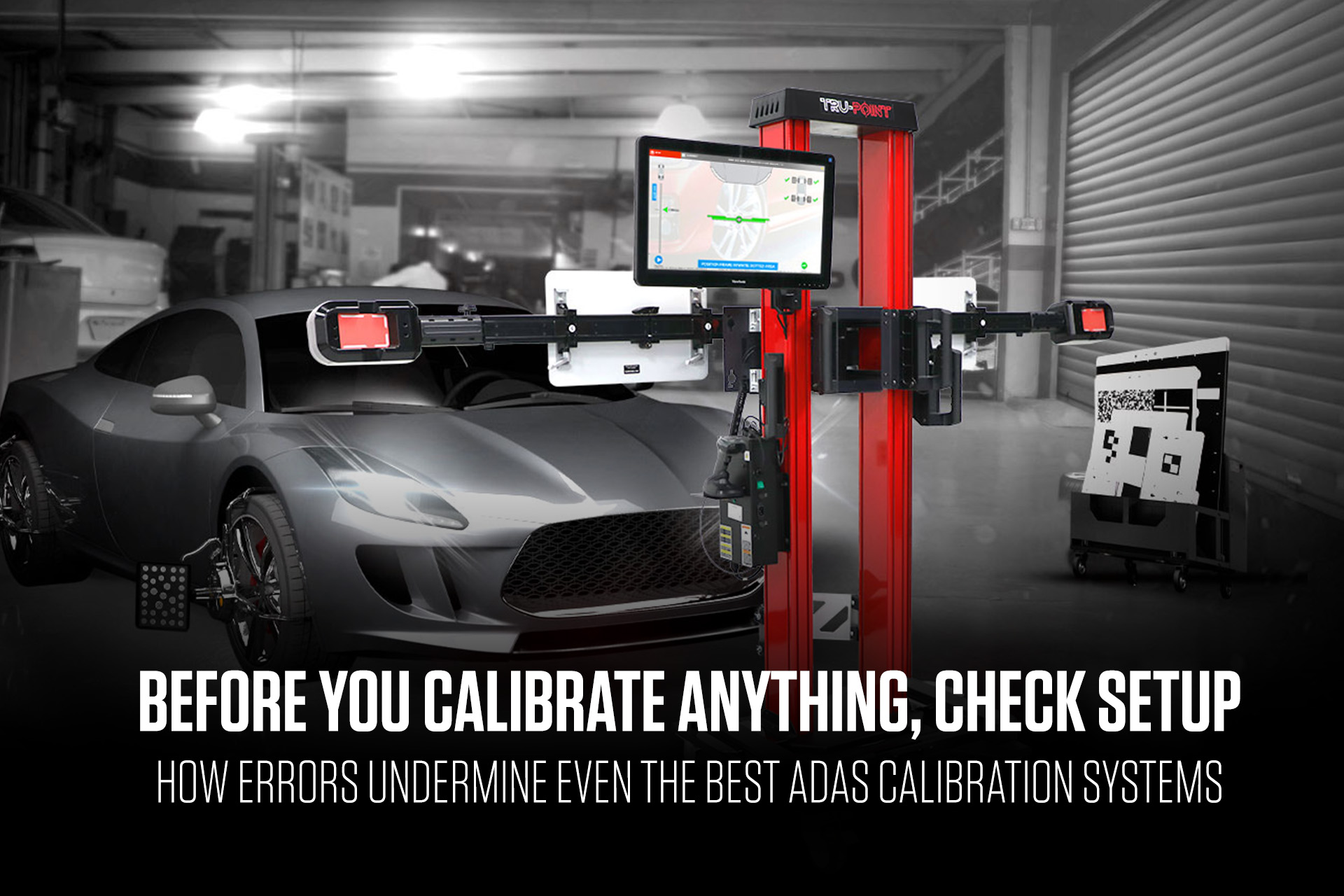 Before You Calibrate Anything, Check Setup. How Errors Undermine Even the Best ADAS Calibration Systems
  Precision Has a Smaller Footprint Than You Think How John Bean Helps Shops Turn Tight Spaces into High-Value Service Bays
  Next Generation Alignment: How the V4400 Commander™ Redefines Shop Efficiency
  How Modern Wheel Alignment Machines Reduce Comebacks and Boost Shop Profitability
  How the Right Tire Changer Increases Shop Efficiency and Customer Throughput
  Why Combo ADAS and Alignment Machines Hurt Shop Productivity
  Comparing Traditional vs. Computerized Wheel Alignment Systems (3D & CCD)